
How to Cook Steak in a Pan
How to Cook Steak in a Pan: Perfect Juicy Results Every Time
If you want to cook a steak that’s juicy, flavorful, and has a perfect crust without firing up the grill, cooking it in a pan is your best bet. Whether you’re a beginner or just looking to sharpen your skills, this simple method will help you nail the perfect steak every time.
You’ll learn how to prepare your steak, get your pan just right, and use easy tricks like basting with butter and herbs to boost the flavor. By the time you finish reading, you’ll have all the steps you need to turn a basic cut of meat into a mouthwatering meal that feels like it’s straight from a fancy steakhouse.
Ready to impress yourself and anyone you share it with? Let’s dive in!
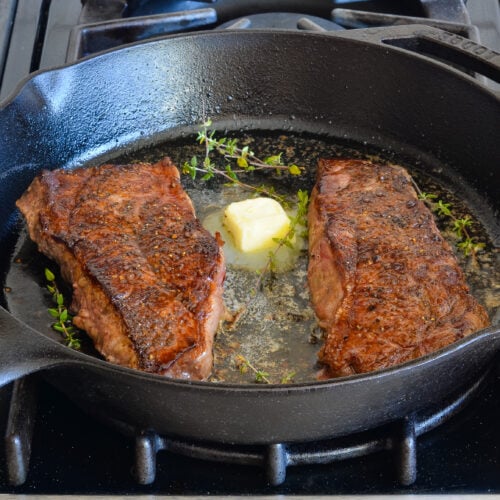
Credit: www.onceuponachef.com
Ingredients And Tools
Cooking a steak in a pan needs the right ingredients and tools. These basics help you get a juicy, flavorful steak with a perfect crust. Choosing quality ingredients and proper equipment sets the stage for success. Here’s what you need to know before you start cooking.
Choosing The Right Steak
Pick a steak cut that suits pan cooking. Ribeye, New York strip, and sirloin are popular choices. Look for steaks with good marbling. The fat inside the meat adds flavor and keeps it tender. Choose steaks about 1 to 1.5 inches thick for even cooking. Fresh, high-quality meat gives the best results.
Essential Seasonings
Simple seasonings work best. Salt and black pepper bring out the natural flavor of the steak. Use coarse salt like sea salt or kosher salt. Freshly ground black pepper adds a nice bite. Optional herbs such as thyme or rosemary add aroma. Garlic cloves also complement the flavor during cooking.
Best Oils And Butter
Choose oils with a high smoke point for searing steak. Canola oil, grapeseed oil, and avocado oil are great options. These oils withstand high heat without burning. Add butter towards the end of cooking for richness. Butter melts quickly and adds a delicious, nutty flavor. Combine butter with garlic and herbs for basting.
Selecting The Pan
Use a heavy skillet for best heat retention. Cast iron pans are ideal because they hold heat well and create a great crust. Stainless steel pans also work if they can get very hot. Avoid non-stick pans; they do not sear as well. Make sure the pan is large enough to hold the steak without crowding.
Prepping The Steak
Preparing your steak before cooking sets the foundation for a delicious meal. Proper prep ensures even cooking and a flavorful crust. This section covers key steps to ready your steak for the pan.
Bringing To Room Temperature
Take the steak out of the fridge about 30 minutes before cooking. Letting it reach room temperature helps the meat cook evenly. Cold steak will cook unevenly and may stay tough inside.
Patting Dry For Better Sear
Use paper towels to pat the steak dry on all sides. Removing excess moisture helps achieve a crisp, brown crust. Wet steak will steam instead of sear, losing flavor and texture.
Seasoning Tips
Generously season the steak with salt and pepper just before cooking. Salt draws out moisture, so avoid seasoning too early. Freshly ground black pepper adds aroma and a slight kick. Keep seasoning simple to highlight the meat’s natural taste.
Heating The Pan
Heating the pan is a crucial step in cooking a perfect steak. A properly heated pan ensures a good sear and locks in the steak’s juices. This step creates a flavorful crust and cooks the steak evenly. Follow these tips to heat your pan correctly before adding the steak.
Choosing Heat Level
Use medium-high to high heat for the pan. The pan should be very hot before adding the steak. A hot pan helps create a crispy, brown crust. Avoid low heat because it will steam the steak. Too high heat can burn the oil, so watch carefully.
Adding Oil Properly
Choose an oil with a high smoke point like canola or grapeseed oil. Pour a small amount into the hot pan, just enough to coat the surface. Let the oil heat until it shimmers but does not smoke. Adding oil too early or in large amounts can cause splatter or burning. Proper oil use keeps the steak from sticking and helps with even browning.
Searing The Steak
Searing the steak is a key step to get a rich, flavorful crust. This process locks in the juices and creates a beautiful brown color. The pan must be very hot before the steak touches it. A good sear makes the steak taste better and look more appetizing. Careful attention during searing ensures the steak cooks evenly and stays juicy inside.
First Side Sear
Place the steak gently on the hot pan. Do not move it for a few minutes. This lets a crust form on the surface. The steak will naturally release when the crust is ready. Check the color at the edges. It should be deep brown, not black. The sear adds flavor through the Maillard reaction, which browns the meat.
Flipping Techniques
Use tongs to flip the steak carefully. Avoid piercing the meat to keep juices inside. Flip only once or twice for best results. After flipping, add butter, garlic, or herbs for extra flavor. Tilt the pan and spoon the melted butter over the steak. This helps cook the top and adds richness. Keep the pan hot but avoid burning the butter.
Adding Flavor
Adding flavor to a pan-cooked steak enhances its natural taste. Simple ingredients can make a big difference. Using butter and herbs brings richness and aroma. The basting method helps infuse flavor deeply into the meat.
Butter And Herb Addition
Butter adds a creamy texture and a rich taste. Fresh herbs like thyme and rosemary offer a fragrant touch. Adding smashed garlic boosts the savory notes. Place these ingredients in the pan after flipping the steak. The heat melts the butter and releases the herbs’ oils. This mix coats the steak with delicious flavor.
Basting Method
Basting means spooning melted butter over the steak. Tilt the pan slightly for easy access to the butter. Use a spoon to pour the butter continuously on the steak’s surface. This keeps the meat moist and flavorful. Basting also creates a beautiful crust and seals in juices. It makes the steak tender and tasty.
Cooking To Doneness
Cooking steak to the right doneness is key for a tasty meal. Knowing how to check doneness helps you avoid undercooked or overcooked steak. Use simple methods to get the perfect texture and flavor every time. Let’s explore how temperature and thickness affect cooking time.
Using Temperature As A Guide
Use a meat thermometer to check the steak’s internal temperature. For rare, aim for 120-125°F (49-52°C). Medium-rare is 130-135°F (54-57°C). Medium should reach 140-145°F (60-63°C). Well-done needs 160°F (71°C) or higher. Insert the thermometer into the thickest part for accuracy.
Checking temperature helps you cook steak safely and precisely. Avoid cutting the steak to check doneness, as it releases juices. A quick temperature check keeps the steak juicy and tender.
Adjusting Time For Thickness
Thicker steaks take longer to cook than thinner ones. For a 1-inch thick steak, cook about 4 minutes per side for medium-rare. For steaks 1.5 inches thick or more, add 2-3 extra minutes per side. Use lower heat after searing to cook inside evenly.
Thin steaks can overcook quickly. Watch closely and reduce cooking time for thin cuts. Adjusting time by thickness helps you avoid dry or tough steak. Always rest the steak after cooking to keep it juicy.
Resting And Serving
Resting and serving a steak after cooking it in a pan is a crucial step. It allows the meat to finish cooking evenly and keeps it juicy. Proper resting lets the juices redistribute inside the steak. This makes every bite tender and flavorful. Serving the steak correctly enhances the taste and presentation. Small techniques during this phase can elevate your steak experience.
Importance Of Resting
Resting the steak helps the juices settle. Cutting too soon causes the juices to spill out. This leads to a dry steak. Let the steak rest for 5 to 10 minutes. Cover it loosely with foil to keep warm. This step ensures a moist and tender bite.
Slicing Against The Grain
Slicing the steak against the grain makes it easier to chew. The grain is the direction of the muscle fibers. Cut perpendicular to these lines. This shortens the fibers and creates a tender texture. Use a sharp knife for clean cuts. Thin slices improve the steak’s tenderness and flavor.
Using Pan Juices
Pan juices add rich flavor to the steak. After resting, pour the juices back over the sliced meat. You can also warm the pan juices with butter and herbs. Drizzle this sauce over the steak slices for extra taste. This simple step makes your steak more savory and delicious.

Credit: kalejunkie.com
Science Behind The Perfect Sear
Cooking the perfect steak in a pan is not just about heat and time. It involves a fascinating science that transforms raw meat into a delicious meal. Understanding the science behind the perfect sear helps create a steak with rich flavor and texture.
Maillard Reaction
The Maillard reaction happens when heat causes amino acids and sugars to react. This reaction creates the brown color and complex flavors on the steak's surface. It starts at around 285°F (140°C). Without this reaction, the steak would look pale and taste bland.
The Maillard reaction also adds a pleasant aroma. It makes the steak more appetizing and enjoyable to eat. This is why high heat is essential at the start of cooking.
Creating A Great Crust
A great crust forms by applying high heat quickly. This seals the outside of the steak and locks in juices. The crust adds texture and a burst of flavor with each bite.
Use a heavy pan like cast iron to maintain steady heat. Pat the steak dry before cooking to avoid steaming. Add a small amount of oil with a high smoke point to prevent burning.
Even Cooking Techniques
After searing, lower the heat to cook the steak evenly. This step allows the heat to reach the center without burning the crust. Flip the steak regularly for uniform cooking.
Basting with butter and herbs helps cook the steak gently and adds flavor. Rest the steak after cooking to let juices redistribute. This makes the meat tender and juicy inside.
Variations And Tips
Cooking steak in a pan offers many ways to adjust based on your preferences. Variations help you handle different steak thicknesses and doneness levels. Tips on fats used for cooking also affect flavor and texture. These insights will improve your pan-cooked steak experience.
Cooking Thicker Steaks
Thicker steaks need more time to cook evenly. Start by searing both sides on high heat for a good crust. Then lower the heat to cook inside without burning the outside. Use a lid or cover the pan to trap heat and cook faster. Check the steak’s temperature with a meat thermometer for accuracy.
Well-done Adjustments
Well-done steaks require longer cooking, which can dry out the meat. Cook on medium heat to avoid burning. Add a little water or broth to the pan to keep moisture. Basting with butter during cooking adds flavor and juiciness. Rest the steak longer to let juices redistribute inside.
Butter Vs. Oil Debate
Oil handles high heat better and prevents burning. Use oils with high smoke points like canola or grapeseed. Butter adds rich flavor but burns quickly at high heat. Combine both by starting with oil, then add butter near the end. This method gives great taste without burning the fat.
Additional Resources
Finding the right resources can enhance your steak-cooking skills quickly. Extra materials offer visual guides, detailed tips, and shared experiences. These resources support learning beyond just reading instructions. They help you see techniques in action and discover tricks from others.
Recommended Videos
Videos show step-by-step methods clearly and simply. Watch how to heat the pan and sear the steak for a perfect crust. Seeing the process helps you understand timing and technique better. Some popular channels include ThatDudeCanCook and Natasha’s Kitchen. These clips are short, easy to follow, and very helpful for beginners.
Useful Online Guides
Online guides break down cooking steak into simple steps. They list ingredients and tools needed for success. Some sites provide tips on seasoning and resting the steak. Allrecipes and RecipeTin Eats offer clear, tested recipes. These guides also explain how to check doneness and vary cooking times.
Community Tips
Cooking forums and social media groups offer advice from home cooks. Users share what worked for them and common mistakes to avoid. Reddit’s r/cookingforbeginners is a good place to ask questions. Facebook groups about cooking steaks can also provide quick answers. Learning from others’ experiences saves you time and frustration.
:max_bytes(150000):strip_icc()/Cook-the-perfect-restaurant-steak-336360_final-d0c928820c5543d384d04f8e711b4196.png)
Credit: www.thespruceeats.com
Frequently Asked Questions
How To Cook A Steak In A Frying Pan?
Bring steak to room temperature and pat dry. Heat a heavy skillet with high-smoke oil until smoking. Season steak with salt and pepper. Sear steak 2-3 minutes per side for crust. Add butter, garlic, and herbs; baste while cooking. Rest steak 5 minutes before slicing.
What Is The 3-3-3 Rule For Steaks?
The 3-3-3 rule for steaks means cooking each side for three minutes, then resting the steak for three minutes before serving. This method ensures even cooking and a juicy, tender steak.
Is It Best To Fry A Steak In Butter Or Oil?
Use high smoke point oil like canola or grapeseed to sear steak for a good crust. Add butter later for flavor and basting. This method prevents burning and enhances taste.
How To Cook Steak For Beginners?
Bring steak to room temperature and pat dry. Season with salt and pepper. Heat a heavy skillet until smoking hot with oil. Sear steak 2-3 minutes per side. Add butter, garlic, and herbs; baste while cooking. Rest steak 5 minutes before slicing against the grain.
Conclusion
Cooking steak in a pan is simple and rewarding. Start with a hot pan and dry steak. Sear both sides to build a rich crust. Use butter and herbs to add flavor while cooking. Let the steak rest to keep it juicy.
Slice against the grain for tenderness. Enjoy your perfectly cooked steak with ease. Practice makes your skill grow every time. This method brings restaurant-quality steak to your kitchen. Try it today and taste the difference!


.webp)