
How to Store Leftovers Safely?
How to Store Leftovers Safely: Expert Tips for Freshness
You’ve just enjoyed a delicious meal, and now you have leftovers waiting to be saved. But do you know the best way to store them safely?
If not handled properly, your tasty extras can turn into a breeding ground for harmful bacteria. Imagine turning your fridge into a fortress that keeps your food fresh and safe, protecting your health and saving you money. You’ll discover simple, proven tips to store your leftovers the right way—so you never have to worry about foodborne illness or wasted meals again.
Ready to master leftover safety? Let’s get started!
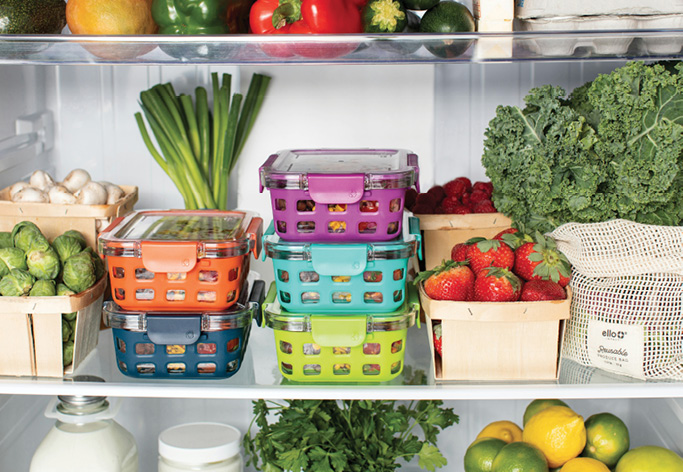
Credit: pubs.nmsu.edu
Food Safety Basics
Keeping your leftovers safe to eat starts with understanding the basic principles of food safety. These simple habits reduce the risk of foodborne illnesses and keep your meals fresh longer. Let’s break down the essentials you need to master when handling and storing leftovers.
Clean Hands And Surfaces
Always wash your hands thoroughly with soap and water before handling food or leftovers. Germs on your hands can quickly transfer to your food and containers.
Clean all surfaces, cutting boards, and utensils before and after use. Even small crumbs or spills can harbor bacteria that multiply fast.
One time, I skipped washing my hands after prepping raw chicken and immediately handled salad leftovers. The next day, I felt sick—proof that cleanliness isn’t optional.
Prevent Cross-contamination
Keep raw meats, seafood, and eggs separate from ready-to-eat foods. Use different cutting boards and knives to avoid mixing harmful bacteria.
When storing leftovers, place raw and cooked foods in separate containers or on different shelves in the fridge. This stops juices from raw food contaminating your meals.
Ask yourself: Are you using one cutting board for everything? Switching to color-coded boards can make a big difference.
Cook To Safe Temperatures
Cooking food to the right temperature kills bacteria that could cause illness. Use a food thermometer to check doneness.
For example, poultry should reach at least 165°F (74°C), while ground meats need 160°F (71°C). Leftovers should be reheated to 165°F before eating.
Don’t guess—invest in a simple thermometer. It’s a small tool that protects your health every time you cook or reheat.
Chill Promptly
Put leftovers in the refrigerator within two hours of cooking. Bacteria multiply rapidly at room temperature, so don’t let food sit out too long.
Divide large portions into smaller, shallow containers to help food cool quickly and evenly. This prevents the center from staying warm too long.
Ever wondered if it’s safe to put hot food directly in the fridge? It is. Your fridge cools food efficiently, and waiting can actually increase bacteria growth.
Check Ingredients And Dates
Before storing or eating leftovers, check the use-by and sell-by dates on all ingredients. Using expired items increases risk.
Inspect packaging for damage or swelling, which can indicate spoilage. Also, trust your senses—off smells or unusual textures mean toss it out.
Have you ever eaten leftovers that looked fine but tasted off? That’s a red flag. When in doubt, throw it out to avoid food poisoning.
Cooling Leftovers Quickly
Cooling leftovers quickly is essential to keep food safe and fresh. Rapid cooling stops bacteria growth that causes food poisoning. It also preserves taste and texture better. Follow these simple steps to cool your leftovers fast and safely.
Divide Into Shallow Containers
Use shallow containers to spread out the food. This helps heat escape quickly and cools food evenly. Avoid using deep containers as they trap heat inside. Divide large portions into smaller batches to speed up cooling.
Use Refrigerator Immediately
Place leftovers in the refrigerator right away. The fridge is designed to lower food temperature safely. Putting hot food directly in the fridge does not harm it. This stops bacteria from multiplying quickly.
Covering Tips
Cover leftovers with lids or plastic wrap to keep moisture in. Covering also prevents odors from other foods mixing in. Let hot food cool uncovered for a few minutes first. This avoids condensation, which can make food soggy.
Ice Bath Method
For large pots or containers, use an ice bath. Fill a sink or large bowl with ice and cold water. Place the container in the ice bath and stir the food often. This cools the food faster before placing it in the fridge.
Storage Techniques
Proper storage techniques keep leftovers fresh longer and safe to eat. Using the right methods helps prevent spoilage and foodborne illness. Focus on airtight containers, moisture control, and clear labeling.
Airtight Containers
Choose containers that seal tightly to lock in freshness. Airtight containers stop air from entering and keep bacteria out. Glass or BPA-free plastic containers work well. Avoid loosely covered dishes; they let moisture escape and odors spread. Using airtight containers also prevents spills and freezer burn.
Avoiding Moisture And Odors
Moisture causes food to spoil quickly. Pat leftovers dry before storing to reduce moisture. Keep foods separate to avoid mixing strong odors. Use paper towels inside containers to absorb excess moisture. Store pungent foods like onions or fish in sealed containers to stop smells from spreading. Proper moisture and odor control help maintain taste and texture.
Labeling And Dating
Label containers with the contents and storage date. Use a marker or sticky notes for easy reading. This helps track freshness and prevents eating spoiled food. First in, first out. Eat older leftovers before newer ones. Proper labeling reduces food waste and keeps your fridge organized.
.jpg?format=pjpg&auto=webp)
Credit: www.heartfoundation.org.au
Safe Storage Timeframes
Knowing the safe timeframes for storing leftovers helps keep food fresh and healthy. Food kept too long can spoil and cause illness. Follow these guidelines to know how long leftovers stay good in the fridge or freezer. Proper timing avoids waste and keeps your meals tasty.
Refrigerator Limits
Most cooked leftovers last 3 to 4 days in the fridge. Keep food in airtight containers to maintain freshness. Raw meats and seafood should be used within 1 to 2 days. Dairy products like milk and soft cheeses usually last 1 week if unopened. Always check for signs of spoilage before eating.
Store leftovers on shelves, not in the fridge door. The door temperature changes often, which can spoil food faster. Label containers with the date to track how long they have been stored. When in doubt, throw it out.
Freezer Guidelines
Freezing food extends its safe storage time. Most cooked meals keep well for 2 to 6 months in the freezer. Meat and poultry can last up to 12 months if wrapped tightly. Use freezer bags or containers designed to prevent freezer burn.
Freeze leftovers in small portions for quick thawing. Label each package with the date to use older food first. Thawed food should be eaten within 24 hours if refrigerated. Do not refreeze leftovers that have fully thawed.
Common Storage Mistakes
Many people make simple mistakes when storing leftovers. These errors can cause food to spoil faster or lead to foodborne illness. Learning to avoid these common storage mistakes helps keep your food safe and fresh for longer. It also reduces waste and saves money. Understanding what not to do is just as important as knowing the right steps.
Putting Hot Food Directly In Fridge
It is a common belief that hot food should cool before refrigeration. Actually, placing hot food in the fridge right away is safer. Refrigerators cool food quickly, slowing bacterial growth. Leaving hot food out to cool can cause bacteria to multiply. Large portions should be divided into smaller containers to cool faster. This method ensures the food stays safe and fresh.
Leaving Food Out Too Long
Food should never sit out at room temperature for more than two hours. Bacteria grow rapidly between 40°F and 140°F. This range is called the danger zone. Leaving leftovers out longer risks harmful bacteria. Always store food in the fridge promptly after serving. This simple habit protects your health and keeps food tasty.
Ignoring Use-by Dates
Use-by dates are not just suggestions. They indicate when food is at its best quality and safety. Eating leftovers past these dates can cause illness. Always check labels before storing or eating food. When in doubt, throw it out. Trusting use-by dates helps prevent food poisoning and waste.
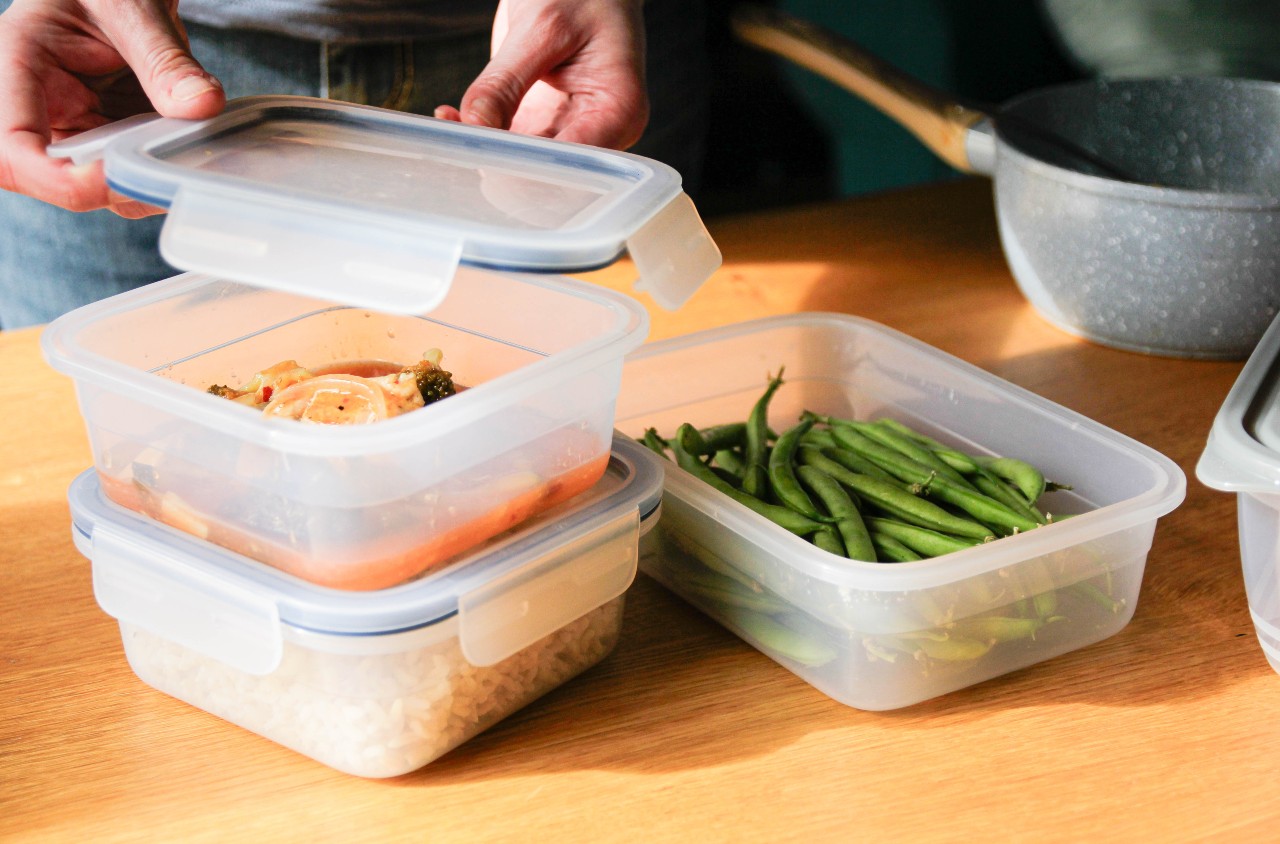
Credit: www.jeffersonhealth.org
Reheating Leftovers Safely
Reheating leftovers safely is key to preventing foodborne illness. Heat food properly to kill bacteria that may have grown during storage. Avoid reheating practices that can cause uneven heating or multiple reheats, which increase risk.
Heat Evenly To Proper Temperature
Heat leftovers evenly to ensure all parts reach a safe temperature. Use a food thermometer to check. The USDA recommends reheating to 165°F (74°C). Stir food midway during reheating to distribute heat. Microwaves can leave cold spots where bacteria survive. Cover food with a microwave-safe lid or wrap to trap steam. This helps food heat through evenly and stay moist.
Avoid Multiple Reheats
Reheat only the portion you will eat. Each reheat cycle increases bacteria growth risk. Cooling and reheating repeatedly allows bacteria to multiply. Store leftovers in small portions for easy reheating. Discard any leftovers not eaten after reheating. Never reheat food more than once to keep it safe.
Preventing Food Waste
Preventing food waste starts with smart leftover storage. Proper handling keeps food fresh longer and reduces thrown-away meals. Safe storage protects your health and saves money. It also helps the environment by cutting waste.
Using leftovers creatively encourages eating all food. Careful portioning stops cooking too much at once. These two habits work well together to minimize waste daily.
Creative Leftover Recipes
Turn leftovers into new meals easily. For example, use cooked vegetables in soups or stir-fries. Leftover rice can become fried rice or rice pudding. Meat scraps add flavor to sauces or sandwiches.
Mix ingredients in fresh ways to keep meals exciting. This approach helps avoid boredom with repeated dishes. It also uses food fully before it spoils.
Proper Portioning
Cook only what you need to reduce leftovers. Smaller portions mean less risk of food going bad. Use measuring cups or scales to control amounts. Save extra food in small containers to eat later.
Serving smaller plates at meals can prevent waste. People usually eat what they take, so less on the plate means less leftover. Adjust portions based on appetite and number of diners.
Frequently Asked Questions
What Is The Safest Way To Store Leftovers?
Store leftovers in shallow, airtight containers. Cool food quickly by dividing large portions. Refrigerate within two hours to prevent bacteria. Keep raw and cooked foods separate to avoid cross-contamination. Always reheat leftovers to the proper temperature before eating for safety.
What Is The 2 2 4 Rule For Leftovers?
The 2-2-4 rule means refrigerate leftovers within 2 hours, keep for 2 days in the fridge, or freeze within 4 days.
What Are The 5 C's In Food Safety?
The 5 C's in food safety are Clean, Cook, Chill, Separate, and Check. Clean hands and surfaces often. Cook food thoroughly. Chill leftovers quickly. Separate raw from cooked foods. Check expiration dates and use safe water and ingredients.
Should You Let Leftovers Cool Before Refrigerating?
Do not let leftovers cool completely before refrigerating. Divide large portions into shallow containers to cool quickly. Store hot food promptly in airtight containers to prevent bacteria growth.
Conclusion
Storing leftovers safely keeps your food fresh and healthy. Always cool food quickly by dividing it into small containers. Use airtight containers to lock in freshness and avoid odors. Keep raw and cooked foods separate to stop germs from spreading.
Regularly check leftovers for signs of spoilage before eating. Following these simple steps helps protect your family from foodborne illness. Safe storage means less waste and more tasty meals later. Remember, good habits in the kitchen make a big difference every day.


.webp)