
How to Reduce Sugar Intake
How to Reduce Sugar Intake: Easy Tips for a Healthier Life
Are you struggling to cut down on sugar but don’t know where to start? Reducing your sugar intake can feel tough, especially when sweet treats are everywhere.

But what if you could enjoy your favorite foods without the extra sugar dragging you down? This guide will show you simple, practical steps to take control of your sugar cravings and boost your energy and health. Keep reading to discover easy habits you can start today to feel better and live healthier.
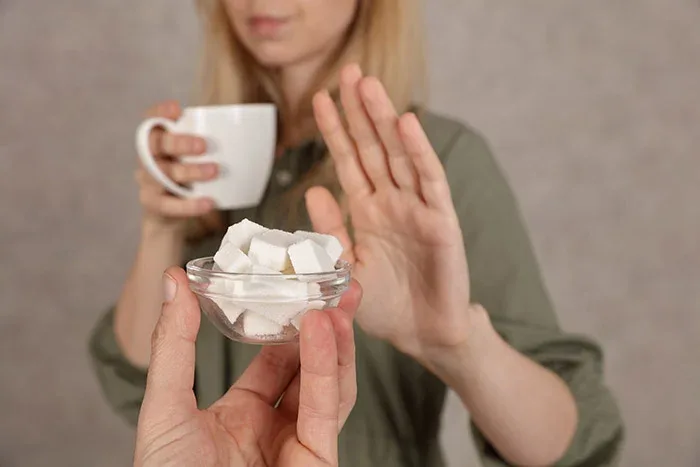
Credit: centershealthcare.com
Health Risks Of Excess Sugar
Cutting down sugar is important for better health. Many people do not realize the effects of high sugar consumption on the body. Excess sugar can cause many health problems that affect daily life. Learning about these risks helps with sugar cravings control and managing sugar intake. Using low-sugar recipes and natural sugar alternatives supports a sugar-free diet. Understanding the hidden sugars in food also aids in smart choices. Here are some key health risks of eating too much sugar.
Dental Problems Caused By Excess Sugar
Sugar feeds bacteria in the mouth. These bacteria create acid that harms teeth. This leads to tooth decay and cavities. People with a high-sugar diet often visit the dentist more.
Increased risk of cavities
Gum disease and inflammation
Bad breath and tooth sensitivity
Cutting down sugar helps protect your teeth and gums.
Weight Gain And Obesity
Eating too much sugar adds extra calories. These calories turn into fat if not used by the body. This causes weight gain and increases obesity risk.
Sugar-sweetened drinks are high in calories and easy to consume fast.
High sugar intake can increase hunger and cravings.
Weight gain raises the chance of diabetes and heart disease.
Sugar reduction tips include replacing sugary drinks with water or herbal tea.
Increased Risk Of Type 2 Diabetes
Excess sugar affects the body's insulin response. Insulin controls blood sugar levels. Too much sugar can cause insulin resistance. This leads to type 2 diabetes.
| Effect | Result |
|---|---|
| High sugar intake | Blood sugar spikes and crashes |
| Insulin resistance | Body can't use sugar properly |
| Type 2 diabetes | Chronic disease with serious complications |
Managing sugar intake lowers the risk of developing diabetes.
Heart Disease And High Blood Pressure
Too much sugar raises blood pressure and inflammation. This damages the heart and blood vessels over time. High sugar diets link to heart disease risk.
Increased blood fat levels
Higher blood pressure readings
Greater risk of heart attack and stroke
Benefits of less sugar include better heart health and lower blood pressure.
Common Sources Of Added Sugar
Cutting back on sugar starts with knowing the common sources of added sugar in daily foods. These hidden sugars make lowering sugar consumption a challenge. Understanding where added sugars hide helps with sugar intake control and effective sugar detox strategies.
Reducing added sugars is easier when you identify sugary items in your diet. This knowledge supports sugar reduction tips and managing sugar cravings. Choosing healthy sugar alternatives can improve your sugar-free diet and show the benefits of less sugar quickly.
Processed Beverages
Many drinks contain added sugars that increase sugar intake without warning. Soda, fruit punches, and sweetened coffee or tea are common culprits. These drinks often have high sugar levels, which make sugar detox strategies harder.
Soda and cola
Sweetened iced tea
Flavored coffee drinks
Energy and sports drinks
Fruit juices with added sugar
Packaged Snacks And Sweets
Packaged snacks often hide added sugars under various names. Cookies, cakes, and candies are obvious sources, but even crackers and granola bars can contain sugar. Reducing added sugars means reading labels carefully.
Cookies and biscuits
Chocolate and candy bars
Cakes and pastries
Granola and cereal bars
Sweetened nuts and trail mixes
Breakfast Cereals
Many cereals marketed as healthy contain high amounts of added sugar. These sugars increase total intake before the day even starts. Choosing low-sugar or sugar-free cereals aids in sugar reduction tips.
| Cereal Type | Added Sugar Content (per serving) |
|---|---|
| Frosted flakes | 12g |
| Fruit-flavored cereals | 10g |
| Granola with honey | 8g |
| Plain oats | 0g |
Condiments And Sauces
Condiments often contain added sugars. Sauces like ketchup, barbecue sauce, and salad dressings add hidden sugar. Controlling sugar intake means checking these labels too.
Ketchup
Barbecue sauce
Sweet chili sauce
Salad dressings
Marinades
Dairy Products
Some dairy products have added sugars to improve taste. Flavored yogurts and sweetened milk drinks increase sugar intake. Opting for plain versions helps with sugar-free diet efforts.
Flavored yogurt
Sweetened milk and creamers
Ice cream and frozen yogurt
Flavored cheese spreads
Reading Nutrition Labels
Reducing sugar intake starts with understanding what is in your food. Reading nutrition labels helps spot hidden sugars that increase your daily sugar amount. Labels show sugar content and ingredients, helping with managing sugar levels effectively. Knowing how to read them supports cutting back on sugar and controlling sugar cravings. This skill is a key part of sugar detox tips and following sugar intake guidelines. It also guides choosing natural sweeteners and sugar alternatives for a healthier diet.
Identifying Hidden Sugars On Labels
Food labels list sugar under many names. These hidden sugars raise your daily intake without you noticing. Watch for terms like:
High fructose corn syrup
Glucose
Fructose
Sucrose
Agave nectar
Maltose
Dextrose
Molasses
These names mean added sugar. Products with many of these should be avoided to reduce sugar consumption.
Understanding Sugar Content In Nutrition Facts
The nutrition facts panel shows sugar in grams per serving. Pay attention to:
Total Sugars: includes natural and added sugars
Added Sugars: sugars added during processing
Choose foods with low added sugar to help with sugar cravings control and the benefits of a low sugar diet.
Using Serving Size To Manage Sugar Intake
Serving size affects sugar amount eaten. The label's sugar number is per serving, not the whole package.
Check serving size first.
Compare it to how much you eat.
Multiply sugar grams by servings to know total sugar.
This helps in managing sugar levels and following sugar intake guidelines carefully.
Choosing Products With Natural Sweeteners
Natural sweeteners like honey, maple syrup, or stevia can be better than refined sugar. Check labels to find these ingredients.
Natural sweeteners usually have fewer calories and cause less blood sugar spike. Use them to cut back on sugar without losing sweetness.
Tips For Reading Labels Quickly
| Step | What to Check | Why It Matters |
|---|---|---|
| 1 | Look at serving size | Know real sugar amount you eat |
| 2 | Check added sugars | Identify extra sugar added |
| 3 | Scan ingredients for hidden sugars | Avoid unexpected sugar sources |
| 4 | Choose products with natural sweeteners | Healthier sugar alternatives |

Credit: thinkhealth.priorityhealth.com
Smart Swaps For Sweeteners
Reducing sugar intake improves health and energy. Smart swaps for sweeteners help cut sugar without losing sweetness. Choosing the right sweeteners supports a low sugar diet and reduces sugar cravings. This section explores natural alternatives, artificial sweeteners, and tips for gradual sugar reduction. These sugar reduction strategies make cutting sugar easier and healthier.
Natural Alternatives
Natural sweeteners offer a healthier way to reduce sugar consumption. They come from plants and have fewer side effects than refined sugar. Using natural sweeteners helps maintain sweetness while lowering added sugar in your diet.
Popular Natural Sweeteners:
Honey: Contains vitamins and antioxidants. Sweeter than sugar, so use less.
Maple Syrup: Rich in minerals like zinc and manganese. Adds a unique flavor.
Stevia: A plant-based sweetener with zero calories. Ideal for low sugar diets.
Coconut Sugar: Has a lower glycemic index. Contains small amounts of nutrients.
Here is a quick comparison table of natural sweeteners:
| Sweetener | Calories per Teaspoon | Sweetness Compared to Sugar | Key Benefit |
|---|---|---|---|
| Honey | 21 | 1.25x | Antioxidants |
| Maple Syrup | 17 | 1x | Minerals |
| Stevia | 0 | 200–300x | Zero Calories |
| Coconut Sugar | 15 | 1x | Lower GI |
Natural sweeteners benefit health by reducing sugar highs and lows. They fit well into sugar substitutes for people seeking healthier options.
Artificial Sweeteners
Artificial sweeteners provide sweetness without calories. They help lower sugar consumption and support a low sugar diet. Despite benefits, some worry about artificial sweeteners effects on health.
Common Artificial Sweeteners:
Aspartame: Used in diet sodas and sugar-free products.
Sucralose: Heat-stable, good for cooking and baking.
Saccharin: One of the oldest artificial sweeteners.
Acesulfame K: Often mixed with other sweeteners for better taste.
Benefits of artificial sweeteners:
Zero or low calories reduce calorie intake.
Help control blood sugar levels.
Assist in cutting sugar tips for weight management.
Concerns about artificial sweeteners effects include:
Possible impact on gut health.
Mixed research on long-term safety.
Some may increase sugar cravings in sensitive people.
Using artificial sweeteners wisely supports sugar reduction strategies. They work well as sugar substitutes but should be balanced with natural sweeteners.
Reducing Sugar Gradually
Gradual sugar reduction helps the body adjust without strong cravings. Sudden sugar cuts can lead to discomfort and failure. A step-by-step approach fits better for long-term success.
Steps for Gradual Sugar Reduction:
Track current sugar consumption for awareness.
Replace one sugary item per day with a natural sweetener.
Reduce portion size of sugary foods gradually.
Use artificial sweeteners in recipes to cut sugar.
Drink water or unsweetened tea instead of sugary drinks.
Focus on whole foods to reduce hidden sugars.
Following these steps improves sweeteners benefits and helps control sugar cravings. It supports a balanced approach to lowering sugar intake.
Patience is key. The taste for sweetness changes over weeks. Gradual sugar reduction leads to lasting habits and better health.
Meal Planning Tips
Reducing sugar intake starts with smart meal planning. Planning meals carefully helps control sweet intake and supports a low sugar diet. It also eases sugar cravings by offering balanced nutrition and sugar choices. Using sugar detox strategies in your meal plan can guide you toward healthier eating habits. Thoughtful meal planning sets the stage for cutting sugar consumption without feeling deprived.
Balanced Meals
Balanced meals are key to managing sugar intake. A meal with the right mix of protein, fiber, and healthy fats slows sugar absorption. This helps reduce sugar cravings and keeps energy steady.
Try to include these components in every meal:
Protein: Eggs, chicken, beans, or tofu
Fiber: Vegetables, whole grains, fruits with low sugar
Healthy Fats: Avocado, nuts, olive oil
Here is a simple example of a balanced meal:
| Component | Food Examples | Benefits |
|---|---|---|
| Protein | Grilled chicken, lentils | Helps keep you full longer |
| Fiber | Steamed broccoli, quinoa | Slows sugar absorption |
| Healthy Fats | Olive oil, almonds | Supports brain and heart health |
Balanced nutrition and sugar control work hand in hand. Meals like these support sugar reduction tips by preventing blood sugar spikes. They also help maintain energy throughout the day. Balanced meals reduce the urge to grab sugary treats and encourage healthier food choices.
Snacking Wisely
Snacking wisely is a strong sugar detox strategy. Many snacks contain hidden sugars that increase sweet intake without notice. Choosing sugar-free snacks or healthy sugar alternatives helps keep sugar levels low.
Focus on snacks that combine protein and fiber. These control sugar cravings and keep you satisfied longer. Here are good snack ideas for cutting sugar consumption:
Plain Greek yogurt with nuts
Carrot sticks with hummus
Apple slices with peanut butter
Hard-boiled eggs
Mixed seeds and unsweetened dried fruit
Watch out for snacks labeled “low fat” or “natural” as they may have added sugar. Reading nutrition labels helps manage sugar intake effectively. Use sugar reduction tips by preparing your own snacks at home. This ensures no hidden sugars sneak into your diet.
Snacking wisely supports a low sugar diet and reduces sugar cravings. It also teaches how to control sweet intake without missing tasty treats. Smart snacks keep energy steady and hunger away between meals.
Managing Sugar Cravings
Managing sugar cravings plays a key role in cutting sugar intake and maintaining a low sugar diet. Cravings often cause people to eat more sugar than planned. Understanding how to control these urges helps in managing sugar consumption effectively. Simple changes in habits can reduce sugar cravings and support balanced nutrition every day.
Healthy Snacks
Choosing the right snacks helps in reducing sugar cravings and supports sugar reduction tips. Healthy sugar alternatives like fruits, nuts, and seeds provide energy without added sugars. These snacks keep blood sugar levels stable and reduce the desire for sweets.
Some healthy snack ideas include:
Apple slices with peanut butter
Greek yogurt with berries
Carrot sticks with hummus
A handful of almonds or walnuts
Hard-boiled eggs
Here is a quick comparison table of common snacks and their sugar content:
| Snack | Approximate Sugar Content (grams) | Benefits |
|---|---|---|
| Chocolate bar | 20–30 | High sugar, low nutrients |
| Apple (medium) | 19 | Natural sugar, fiber rich |
| Almonds (1 oz) | 1 | Low sugar, high protein |
| Greek yogurt (plain, 6 oz) | 6 | Low sugar, probiotics |
Snacking on healthy options reduces sugar intake and supports balanced nutrition. It also helps avoid sudden spikes in blood sugar, making it easier to manage sugar cravings.
Hydration
Staying hydrated offers many benefits of hydration that can help with managing sugar consumption. Sometimes, thirst is mistaken for hunger or sugar cravings. Drinking water regularly can reduce the urge to eat sugary snacks.
Try these hydration tips to reduce sugar cravings:
Drink a glass of water before meals to control appetite.
Carry a water bottle to stay hydrated throughout the day.
Replace sugary drinks like soda with water or herbal teas.
Add lemon or cucumber slices to water for flavor without sugar.
Proper hydration supports cutting sugar intake by:
Keeping metabolism stable
Reducing false hunger signals
Improving energy levels
Helping digestion and nutrient absorption
Water helps flush out toxins and supports healthy sugar alternatives by keeping the body balanced. Drinking enough water is a simple but powerful sugar reduction tip.
Mindful Eating
Mindful eating practices improve how you handle sugar cravings. Paying attention to hunger and fullness cues helps manage sugar consumption better. Mindful eating allows recognition of true hunger versus cravings caused by emotions or habits.
Steps for mindful eating include:
Eat slowly and chew food thoroughly.
Focus on the taste, texture, and smell of food.
Avoid distractions like TV or phones during meals.
Pause between bites to assess fullness.
Benefits of mindful eating for a low sugar diet:
Reduces overeating and impulsive snacking.
Improves digestion and nutrient absorption.
Supports balanced nutrition by choosing healthier foods.
Increases satisfaction with smaller portions.
Mindful eating helps in recognizing patterns that lead to sugar cravings. Using this practice with sugar-free snacks and healthy sugar alternatives makes cutting sugar intake easier and sustainable.
Lifestyle Changes To Support Reduction
Reducing sugar intake requires more than just changing what you eat. Lifestyle changes play a key role in supporting sugar consumption reduction. Small adjustments in daily habits can make cutting down sugar easier and more effective. These changes help manage sugar cravings and improve overall health. This section covers three important lifestyle areas: regular exercise, stress management, and sleep quality. Each can boost the benefits of a low sugar diet and support healthy eating habits.
Regular Exercise
Exercise helps control blood sugar levels and reduces cravings for sweets. Physical activity burns energy and balances hormones that affect hunger. This makes managing sugar cravings easier during a sugar detox. Regular exercise also improves mood, which lowers stress-related sugar cravings.
Try to include different types of exercise in your routine:
Cardio: walking, jogging, cycling
Strength training: weight lifting, bodyweight exercises
Flexibility exercises: yoga, stretching
Even 30 minutes of moderate exercise most days helps reduce added sugars in the diet. Below is a simple weekly exercise plan that supports sugar intake guidelines:
| Effect | Result |
|---|---|
| High sugar intake | Blood sugar spikes and crashes |
| Insulin resistance | Body can't use sugar properly |
| Type 2 diabetes | Chronic disease with serious complications |
Exercise also improves insulin sensitivity. This lowers the impact of sugar on health by helping the body process sugar better. Staying active supports natural sugar alternatives by reducing the need for quick energy from sweets.
Stress Management
Stress often leads to increased sugar cravings. Many people eat sugary foods to feel better. Managing stress is vital for reducing added sugars and sticking to sugar detox tips. Stress causes the body to release cortisol, a hormone that raises blood sugar and triggers hunger for sweet foods.
Try these stress management techniques to support sugar consumption reduction:
Deep breathing exercises to calm the mind
Meditation or mindfulness to focus on the present
Regular breaks during work to avoid burnout
Hobbies like reading or gardening to relax
Talking to friends or family for emotional support
Stress management helps maintain healthy eating habits by reducing emotional eating. It also lowers the chance of turning to sugary snacks. Using these techniques daily supports the benefits of a low sugar diet and helps follow sugar intake guidelines easily.
Here is a simple daily stress-relief routine:
Morning deep breathing for 5 minutes
Short mindfulness session before lunch
Evening relaxation or hobby time
Managing stress improves sleep quality, which further helps sugar consumption reduction. It creates a positive cycle supporting overall health and reducing the impact of sugar on health.
Sleep Quality
Poor sleep increases sugar cravings and hunger hormones. It makes cutting down sugar harder. Good sleep quality is essential for sugar detox tips and reducing added sugars. When sleep is enough and restful, the body better controls hunger and energy levels.
Follow these tips to improve sleep quality:
Stick to a regular sleep schedule
Create a relaxing bedtime routine
Limit screen time before bed
Avoid caffeine and sugar late in the day
Keep your bedroom dark, cool, and quiet
Better sleep supports healthy eating habits by reducing late-night snacking and sugar cravings. It also helps regulate hormones that control appetite and blood sugar. Below is a table showing how sleep affects sugar intake:
| Sleep Factor | Effect on Sugar Intake |
|---|---|
| Less than 6 hours | Increased cravings and hunger |
| 6–8 hours | Balanced appetite and energy |
| More than 8 hours | Improved sugar metabolism |
Improving sleep quality supports the benefits of a low sugar diet. It helps maintain energy without needing natural sugar alternatives excessively. Prioritizing sleep is a simple way to aid sugar consumption reduction and improve overall health.
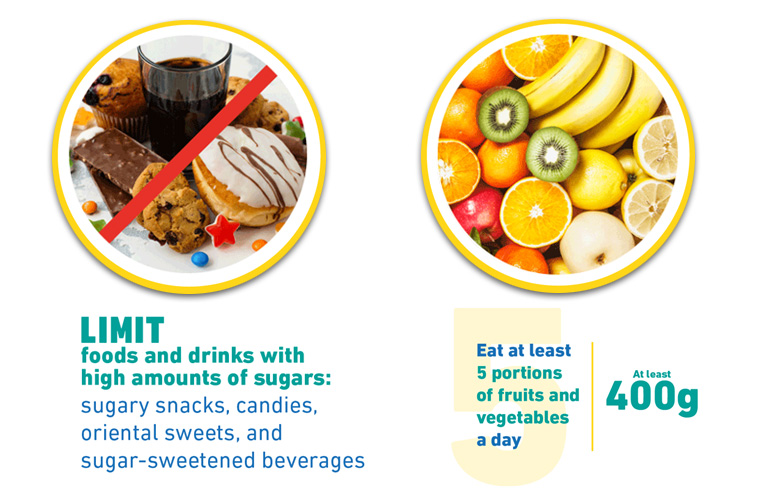
Credit: www.emro.who.int
Frequently Asked Questions
What Are Simple Ways To Reduce Sugar Intake Daily?
Start by reading food labels and choosing low-sugar options. Swap sugary drinks for water or herbal tea. Use natural sweeteners like honey in moderation. Eat whole fruits instead of fruit juices to reduce added sugars.
How Does Reducing Sugar Improve Overall Health?
Lower sugar intake helps prevent weight gain and reduces diabetes risk. It improves heart health by lowering blood pressure. Less sugar also reduces inflammation and supports better energy levels and mood stability.
Which Foods Should I Avoid To Cut Sugar?
Avoid sugary sodas, candies, and baked goods. Cut back on sweetened cereals and flavored yogurts. Watch for hidden sugars in sauces, dressings, and processed snacks. Choose fresh, whole foods instead for a healthier diet.
Can Reducing Sugar Help With Weight Loss?
Yes, reducing sugar lowers calorie intake and prevents fat storage. It stabilizes blood sugar, reducing cravings and overeating. Combined with a balanced diet, cutting sugar supports effective and sustainable weight loss.
Conclusion
Reducing sugar intake helps improve your health and energy. Small changes in diet make a big difference over time. Choose natural foods and drink water instead of sugary drinks. Read labels carefully to avoid hidden sugars. Your body will thank you with better mood and weight control.
Stay patient and keep trying daily. Healthy habits grow step by step. You have the power to live a healthier life. Start today and enjoy the benefits soon.


.webp)