
Weight Loss & Management
Weight Loss & Management: Ultimate Strategies for Lasting Success

Are you tired of trying diets that don’t work or feeling overwhelmed by conflicting advice on weight loss and management? You’re not alone.
Finding a way to shed extra pounds and keep them off can feel like a constant struggle. But what if there was a simple, effective approach tailored just for you? This article will guide you through practical steps that fit your lifestyle, helping you take control of your weight without stress or confusion.
Keep reading, and discover how small changes can lead to big results for your body and confidence.
Benefits Of Weight Loss
Weight loss and management bring many benefits beyond just looking better. Achieving sustainable weight loss helps improve overall well-being. It supports healthy weight management and enhances quality of life. The benefits of weight loss affect physical health, mental health, and daily energy. Understanding these advantages encourages better weight loss strategies and weight management techniques for long-term success.
Physical Health Improvements
Losing weight leads to important physical health benefits. It lowers the risk of heart disease, diabetes, and high blood pressure. These conditions often result from extra body fat and can improve with weight loss.
Reduced blood pressure: Weight loss helps lower strain on the heart.
Better blood sugar control: It reduces the chance of type 2 diabetes.
Improved cholesterol: Healthy weight supports balanced cholesterol levels.
Less joint pain: Weight loss eases pressure on knees and hips.
Below is a table showing common conditions and how weight loss helps:
| Condition | Effect of Weight Loss |
|---|---|
| High Blood Pressure | Reduces strain on arteries and heart |
| Type 2 Diabetes | Improves insulin sensitivity |
| Osteoarthritis | Decreases joint stress and pain |
| Sleep Apnea | Lessens airway obstruction |
Focusing on healthy weight management helps maintain these benefits over time. Using proven weight management techniques supports lasting holistic health improvements.
Mental Health Advantages
Weight loss also improves mental health and weight connection. Carrying excess weight can increase stress, anxiety, and depression. Losing weight often lifts mood and builds self-confidence.
Key mental health benefits include:
Reduced anxiety: Lower weight can ease feelings of worry.
Improved mood: Physical changes boost happiness and reduce sadness.
Better sleep: Weight loss often leads to deeper, more restful sleep.
Increased self-esteem: Feeling healthier improves body image.
Studies show people with steady weight loss report fewer symptoms of depression. Weight management techniques that include exercise and balanced diet support brain health.
Managing weight helps create a positive cycle. Better mental health encourages consistent weight loss strategies. These habits reinforce holistic health improvements, improving body and mind.
Enhanced Energy And Mobility
One of the greatest benefits of weight loss is increased energy levels. Carrying less weight reduces fatigue. People feel more active and able to move easily.
Improved mobility is another key advantage. Losing weight lessens joint pain and stiffness. This allows more physical activity and better daily function.
More stamina: Less weight means less effort walking or climbing stairs.
Better flexibility: Joints move with less pain and resistance.
Increased strength: Weight loss combined with exercise builds muscle.
Greater endurance: Activities last longer without tiredness.
Here is a simple code snippet to track daily steps and energy levels:
function logActivity(steps, energy) { console.log("Steps today: " + steps); console.log("Energy level: " + energy); } logActivity(5000, "High");Using tools to monitor progress supports sustainable weight loss. Improved energy and mobility encourage ongoing physical activity. These changes enhance healthy weight management and overall wellness.
Effective Diet Strategies
Effective diet strategies form the backbone of successful weight loss and management. Focusing on the right eating habits can improve metabolic rate and help control calorie intake. Combining fat burning foods with balanced nutrition supports sustainable weight management. Understanding how different foods affect the body aids in creating effective weight loss strategies. These strategies also work well with exercise and weight loss routines for better results.
Balanced Nutrition Plans
A balanced nutrition plan provides all the essential nutrients the body needs. It supports energy levels and helps maintain healthy eating habits. Proper balance means getting the right mix of proteins, fats, and carbohydrates. This balance controls calorie intake and helps avoid overeating.
Include lean proteins: chicken, fish, beans
Choose healthy fats: olive oil, nuts, avocados
Eat complex carbs: whole grains, vegetables, fruits
Drink plenty of water to stay hydrated
Portion control is key in balanced plans. Eating the right amount prevents weight gain. Using smaller plates or measuring food helps manage portions.
| Food Group | Recommended Daily Amount | Examples |
|---|---|---|
| Proteins | 20-30% | Chicken, fish, beans |
| Carbohydrates | 40-50% | Whole grains, vegetables, fruits |
| Fats | 20-30% | Olive oil, nuts, avocados |
Role Of Macronutrients
Macronutrients play a crucial role in weight loss strategies. They provide energy and affect how the body burns fat. Proteins help build muscle and improve metabolic rate. Carbohydrates offer quick energy but should focus on complex types for lasting fuel. Fats are essential but must come from healthy sources to support fat burning foods.
Balancing macronutrients affects hunger and calorie intake. Too many carbs can cause energy spikes and crashes. Too much fat can lead to weight gain. Protein helps with fullness and muscle repair after exercise and weight loss routines.
Proteins: promote fullness, repair tissues
Carbohydrates: fuel brain and muscles
Fats: support cell health and hormones
Tracking macronutrient ratios helps create sustainable weight management plans. Many find success with low-carb diets that reduce carb intake while increasing protein and fat.
Popular Diet Approaches
Several popular diet approaches target calorie intake and fat burning foods. Low-carb diets limit carbohydrates to encourage fat use as energy. Intermittent fasting sets eating windows to reduce calorie intake naturally. These diets suit different lifestyles and goals.
Some well-known diets include:
Keto Diet: Very low carbs, high fat, moderate protein.
Intermittent Fasting: Eating within specific time frames.
Mediterranean Diet: Focus on fruits, vegetables, healthy fats.
Plant-Based Diet: Emphasizes vegetables and whole foods.
Each approach requires attention to portion control and healthy eating habits. Combining these diets with exercise and weight loss increases success. Sustainable weight management depends on choosing a diet that fits daily life and preferences.
Exercise And Activity
Exercise and activity play a key role in weight loss and management. They help create a calorie deficit, which means burning more calories than consumed. Physical activity supports fat burning exercises and improves body composition by reducing fat and building muscle. Pairing exercise with healthy eating habits leads to sustainable weight loss. Moving regularly also boosts metabolism and enhances overall health.
Cardio Workouts
Aerobic exercise, or cardio, increases heart rate and burns calories quickly. It helps reduce fat and improves heart and lung health. Common cardio activities include running, cycling, swimming, and brisk walking. Cardio workouts are effective for fat burning because they use large muscle groups continuously.
Benefits of cardio workouts:
Boosts metabolism for hours after exercise
Improves endurance and stamina
Supports a healthy heart and lungs
Promotes a healthy calorie deficit
Example of a simple cardio plan:
| Day | Activity | Duration | Intensity |
|---|---|---|---|
| Monday | Brisk Walk | 30 minutes | Moderate |
| Wednesday | Jogging | 20 minutes | High |
| Friday | Cycling | 40 minutes | Moderate |
Regular cardio sessions help maintain a strong metabolism and support sustainable weight loss.
Strength Training
Resistance training focuses on building muscle. Muscle burns more calories than fat, even at rest. This helps improve body composition and supports long-term weight control. Strength training exercises include lifting weights, bodyweight exercises, and using resistance bands.
Key benefits of strength training:
Increases muscle mass and strength
Boosts metabolism and calorie burning
Improves bone density and joint health
Enhances overall physical function
Here is a simple strength training routine:
Squats – 3 sets of 12 repetitions
Push-ups – 3 sets of 10 repetitions
Dumbbell rows – 3 sets of 12 repetitions
Plank – hold for 30 seconds, 3 times
Consistency with resistance training supports muscle building and helps maintain a healthy weight.
Incorporating Daily Movement
Adding more physical activity to daily life helps with weight management. Small changes increase overall movement and calorie use. Walking more, taking stairs, and standing instead of sitting are simple ways to stay active. These habits support a calorie deficit and keep metabolism boosting.
Tips to add daily movement:
Walk or bike to work
Take short activity breaks every hour
Use stairs instead of elevators
Do household chores actively
Stretch or do light exercises while watching TV
Daily movement increases physical activity without needing a gym. It complements cardio and strength training for sustainable weight loss and better health.
Behavioral Changes
Weight loss and management depend heavily on behavioral changes. Changing habits is key to long-term success. Simple shifts in daily routines improve metabolic health and support sustainable weight management. Understanding your actions helps control appetite and boosts physical activity benefits. This section explores practical ways to make lasting changes.
Building Healthy Habits
Creating healthy habits is the foundation of effective weight loss strategies. Small, consistent actions lead to big results over time. Start by focusing on healthy eating habits and regular movement.
Plan meals with balanced nutrients.
Choose whole foods over processed ones.
Set a daily step goal to increase physical activity.
Drink plenty of water to aid metabolism.
Track progress to stay motivated.
Use this simple table to compare habits:
| Unhealthy Habit | Healthy Habit | Benefit |
|---|---|---|
| Skipping breakfast | Eating a balanced breakfast | Improves energy and appetite control |
| Sitting for hours | Taking short walking breaks | Enhances metabolic health |
| Eating fast food daily | Preparing meals at home | Better nutrient intake and weight control |
Regular practice of these habits strengthens behavioral change methods. Mindful eating practices also help you enjoy food and avoid overeating. Focus on progress, not perfection.
Stress Management
Stress affects weight by increasing cravings and reducing motivation for physical activity. Learning stress reduction techniques supports weight control and overall health. Managing stress improves appetite control and helps maintain healthy habits.
Effective stress management methods include:
Deep breathing exercises
Regular physical activity like walking or yoga
Setting aside time for hobbies
Getting enough restful sleep
Connecting with supportive friends or family
Try this simple daily stress relief routine:
Spend 5 minutes doing deep breathing.
Take a 10-minute walk outside.
Write down three things you are grateful for.
Practice gentle stretching before bed.
Reducing stress lowers the chance of emotional eating triggers. It also improves motivation to stay active, which boosts metabolic health and supports sustainable weight management.
Overcoming Emotional Eating
Emotional eating can disrupt weight loss efforts. Recognizing emotional eating triggers helps regain control. Mindful eating practices support awareness of hunger versus emotions.
Steps to overcome emotional eating:
Identify feelings that lead to overeating.
Keep a food and mood journal.
Use alternative coping methods like walking or meditation.
Practice portion control and choose nutritious snacks.
Seek support from friends or professionals if needed.
Here is a simple example of a mood journal format:
| Time | Emotion | Food Eaten | Hunger Level (1-5) |
|---|---|---|---|
| 3 PM | Stress | Chocolate bar | 2 |
| 7 PM | Happy | Grilled chicken salad | 4 |
Tracking patterns helps replace emotional eating with healthier behaviors. This improves appetite control and supports long-term weight loss success.
Tracking Progress
Tracking progress plays a crucial role in weight loss and management. It helps to stay motivated and understand how well the body responds to diet and exercise plans. Without tracking, it is hard to see changes or adjust weight loss strategies for better results. Recording progress supports sustainable weight management by showing clear signs of improvement. It also builds confidence and encourages continuing healthy habits over time.
Using Apps And Tools
Fitness tracking apps and health monitoring tools make tracking easier and more accurate. These digital tools record daily activities, food intake, and body measurements. They provide useful feedback and reminders to keep on track with behavioral weight loss efforts.
Some popular features in these apps and tools include:
Calorie counting and meal logging
Step and exercise tracking
Weight and body measurement records
Progress charts and goal reminders
Sleep and hydration monitoring
Here is a table comparing common fitness tracking apps:
| App Name | Main Features | Best For |
|---|---|---|
| MyFitnessPal | Calorie tracking, meal database, exercise log | Diet and calorie control |
| Fitbit | Step tracking, heart rate, sleep monitoring | Activity and health monitoring |
| Lose It! | Weight tracking, goal setting, food logging | Weight loss and goal setting |
Using these tools regularly provides clear data for weight management techniques. This data helps make changes to diet and exercise plans that fit personal needs. Tracking apps also encourage small daily wins, which add up to big changes over time.
Setting Realistic Goals
Goal setting for weight loss must be practical and achievable. Setting realistic weight loss goals avoids frustration and burnout. It supports steady progress and long-term success.
Consider these tips for setting good goals:
Start with small, clear targets like losing 1-2 pounds per week.
Focus on habits, such as eating more vegetables or walking daily.
Set both short-term and long-term goals to stay motivated.
Use measurable goals like tracking weight, steps, or workout days.
Adjust goals based on progress and challenges faced.
Here is an example of realistic weight loss goals for a month:
| Week | Goal | Action |
|---|---|---|
| 1 | Lose 1 pound | Walk 30 minutes daily, reduce sugary drinks |
| 2 | Lose 1 pound | Add strength training twice a week |
| 3 | Improve diet quality | Eat 3 servings of vegetables daily |
| 4 | Maintain or lose 1 pound | Track meals and avoid late-night snacks |
Clear and realistic goals create focus and build confidence. They also guide the choice of weight management techniques that fit individual lifestyles.
Measuring Non-scale Victories
Non-scale victories are important signs of progress beyond just weight numbers. These include improvements in strength, energy, mood, and habits. Focusing only on the scale can cause discouragement.
Examples of non-scale victories include:
Fitting into clothes better
Increased stamina during workouts
Better sleep quality
Improved mood and confidence
Making healthier food choices consistently
Tracking these wins supports sustainable weight management by showing overall health gains. It promotes a positive mindset and helps maintain motivation.
Use a journal or app to record non-scale victories. Note feelings, energy levels, and fitness milestones. These records highlight progress that numbers alone cannot show.
Here is a simple example of tracking non-scale victories:
Date | Victory | Notes -----------|--------------------------|--------------------------- 2024-05-01 | Walked 2 miles without pain | Felt strong and energized 2024-05-10 | Wore old jeans comfortably | Noticed less bloating 2024-05-15 | Cooked healthy meals 5 days| Enjoyed new recipes Celebrate these achievements to reinforce healthy habits. They are key parts of long-term success in weight loss and management.

Credit: restoreintegrativemedical.com
Common Challenges
Weight loss and management is a journey that many find challenging. Common challenges can slow progress or cause frustration. Understanding these obstacles helps create better strategies. Sustainable weight management requires patience and smart planning. Nutritional balance, exercise routines, and behavioral change play key roles. Recognizing hurdles like plateaus, cravings, and motivation dips helps maintain steady progress toward health goals.
Plateaus And Setbacks
Plateaus happen when weight loss stalls despite efforts. The body adapts to the new routine, slowing metabolism. Setbacks may occur due to stress, illness, or changes in daily habits. These moments test commitment but are normal in weight loss strategies.
To overcome plateaus and setbacks, try these tips:
Adjust calorie intake to maintain a calorie deficit.
Change exercise routines to boost metabolism.
Track food intake and physical activity closely.
Focus on healthy eating habits, not just calories.
Get enough sleep and manage stress levels.
| Challenge | Solution | Benefit |
|---|---|---|
| Plateau | Increase exercise intensity | Metabolism boost |
| Setback | Reassess nutritional balance | Better appetite control |
Accept setbacks as part of the process. Small changes can restart progress. Stay consistent with weight loss strategies for long-term success.
Dealing With Cravings
Cravings challenge many people during weight loss. Emotional eating and hunger signals can lead to poor food choices. Understanding cravings helps control appetite and supports nutritional balance.
Here are effective ways to handle cravings:
Eat regular meals to avoid extreme hunger.
Include protein and fiber for fullness.
Drink water to rule out thirst.
Distract yourself with activities or hobbies.
Plan healthy snacks to satisfy urges.
Cravings often arise from emotional eating. Behavioral change techniques help by:
Identifying triggers such as stress or boredom.
Practicing mindful eating to notice hunger cues.
Replacing unhealthy snacks with nutritious options.
Controlling cravings supports calorie deficit and sustainable weight management. It improves healthy eating habits and reduces overeating risks.
Maintaining Motivation
Staying motivated is crucial for weight loss and management. Motivation may drop due to slow results or life challenges. Consistent effort in exercise routines and healthy eating habits keeps progress steady.
To maintain motivation, try these approaches:
Set clear, realistic goals.
Track progress with a journal or app.
Reward yourself for milestones reached.
Join a support group or workout buddy.
Focus on benefits beyond weight, like energy and mood.
Behavioral change takes time. Celebrate small wins and stay patient. Remember, sustainable weight management is about long-term habits, not quick fixes.
Long-term Maintenance
Long-term maintenance is the most important part of weight loss and management. Losing weight quickly feels good, but keeping it off is the real challenge. Many people regain weight because they return to old habits. Successful weight maintenance requires ongoing effort and smart strategies. It means adopting healthy eating habits, staying active, and using motivation techniques to keep moving forward. Small changes that fit daily life are easier to keep for years.
Sustainable Lifestyle Changes
Sustainable lifestyle changes focus on habits that last. Quick fixes and fad diets often fail because they are hard to keep. Instead, choose simple, balanced habits that promote weight maintenance over time.
Healthy Eating Habits: Choose whole foods, avoid processed snacks, and eat regular meals.
Portion Control: Use smaller plates and avoid second servings to control calories without feeling hungry.
Physical Activity: Add daily movement like walking, cycling, or light exercise.
Behavior Modification: Replace unhealthy habits with positive ones, like drinking water instead of soda.
Below is a simple table showing examples of unsustainable vs. sustainable habits:
| Unsustainable Habits | Sustainable Habits |
|---|---|
| Skipping meals to cut calories | Eating balanced meals with protein and fiber |
| Extreme dieting with few calories | Eating enough calories for a healthy calorie deficit |
| Sedentary lifestyle with no exercise | 30 minutes of daily physical activity |
| Using weight loss pills | Focusing on natural food and exercise |
These simple changes help keep your metabolic rate steady and support long-term success.
Support Systems And Accountability
Support systems make a big difference in weight maintenance. Sharing goals with others increases motivation and helps keep you accountable. It is easier to stay on track with encouragement and advice.
Here are key support options:
Friends and Family: Talk about your goals and ask for their support.
Weight Loss Groups: Join groups that focus on goal setting and behavior change.
Professional Help: Dietitians, trainers, or counselors can guide your progress.
Tracking Tools: Use apps or journals to record food, exercise, and weight.
Accountability boosts motivation by:
Reminding you of your goals daily
Celebrating small wins
Helping problem-solve challenges
Encouraging healthy habits during tough times
Motivation techniques like setting clear, realistic goals keep you focused. Regular check-ins with a support system help maintain progress and avoid setbacks.
Adjusting Plans Over Time
Body needs and routines change over time. Adjusting your weight maintenance plan is vital. Sticking to one method forever can cause plateaus or frustration.
Key points for adjusting plans:
Monitor your weight and health regularly
Change dietary adjustments as metabolism slows or activity changes
Increase or vary physical activity to keep burning calories
Use behavior modification to remove old habits and add new ones
Set new short-term and long-term goals based on progress
Here is a sample timeline for adjusting plans:
| Time Period | Focus | Actions |
|---|---|---|
| First 3 months | Weight loss and habit formation | Calorie deficit, increased activity, goal setting |
| 3 to 6 months | Building consistency | Refine portion control, add variety in exercise |
| 6 to 12 months | Weight maintenance | Adjust calories, maintain motivation, seek support |
| After 12 months | Long-term health | Regular check-ups, adapt plans for lifestyle changes |
Adjusting plans keeps your body and mind engaged. It helps avoid plateaus and supports lifelong weight management success.
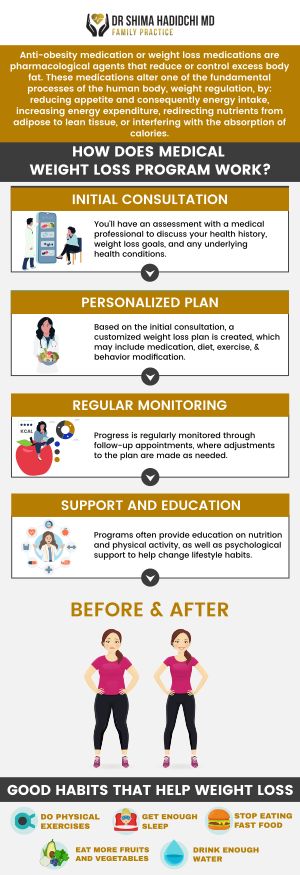
Credit: www.shimahadidchimd.com
/assets/production/practices/ccafeb41c452cc1f4f86a7eccdb4cb3d04ca0b66/images/2786638.jpeg)
Credit: www.mydocmd.com
Frequently Asked Questions
What Are The Best Foods For Weight Loss And Management?
Eating whole foods like fruits, vegetables, lean proteins, and whole grains supports weight loss. Avoid processed foods high in sugar and unhealthy fats. Balanced nutrition helps control appetite and boosts metabolism for effective weight management.
How Often Should I Exercise To Maintain Weight Loss?
Aim for at least 150 minutes of moderate exercise weekly. Combine cardio, strength training, and flexibility workouts. Regular physical activity helps burn calories, build muscle, and sustain long-term weight loss.
Can Stress Affect Weight Loss Efforts?
Yes, stress can trigger emotional eating and hormonal imbalances. High cortisol levels may increase fat storage, especially around the abdomen. Managing stress through mindfulness, sleep, and relaxation improves weight loss success.
How Important Is Sleep In Weight Management?
Adequate sleep regulates hunger hormones and metabolism. Poor sleep increases cravings and reduces energy for exercise. Aim for 7-9 hours of quality sleep to support healthy weight loss and maintenance.
Conclusion
Weight loss and management take time and patience. Small changes in eating and moving daily help a lot. Staying consistent is key to seeing real results. Set goals that feel right for your body and life. Remember, every step forward is progress, no matter how small.
Keep learning and adjusting your habits as you go. Your health is worth the effort and care. Stay positive and keep moving toward a healthier you.


