
How to Marinate Chicken for Grilling?
How to Marinate Chicken for Grilling: Ultimate Flavor Boost Tips

Grilling chicken that’s juicy, flavorful, and tender starts long before it hits the heat—it all begins with the perfect marinade. If you’ve ever wondered how to take your grilled chicken from dry and bland to mouthwatering and delicious, you’re in the right place.
You’ll discover simple yet powerful marinating techniques that will transform your chicken every time. Ready to unlock bold flavors and impress your friends and family at your next barbecue? Keep reading, because the secret to amazing grilled chicken is easier than you think.
Choosing The Right Chicken Cuts
Choosing the right chicken cuts is key to a tasty grilled meal. Different cuts soak up flavors and cook in unique ways. Picking the best cut affects marinating time for chicken and how well the marinade works. Knowing the difference helps you use the best marinade ingredients. This guide breaks down whole vs. pieces, skin on or off, and bone-in or boneless options. It makes your chicken marinade recipes better and grilling easier.
Whole Vs. Pieces
Whole chicken marinade offers a rich, even flavor but needs more time. The marinade penetrates slowly, so marinating time for chicken is longer, often 8 to 12 hours. Whole chicken grilling creates juicy meat but requires careful heat control to cook fully without burning.
- Whole chicken marinade is great for big gatherings or slow roasting on the grill.
- Chicken pieces marinade
- Pieces cook quicker and allow more surface area for the marinade to stick.
- Grilling chicken pieces gives more control over doneness and char.
Here is a quick comparison:
| Cut Type | Marinating Time | Grilling Time | Flavor Absorption |
|---|---|---|---|
| Whole Chicken | 8-12 hours | Longer, indirect heat | Deep, even flavor |
| Chicken Pieces | 1-4 hours | Shorter, direct heat | Faster, surface flavor |
Chicken pieces marinade suits quick meals. Whole chicken marinade fits slow-cooked feasts.
Skin On Or Off
Skin on chicken grilling locks in moisture and adds crisp texture. The skin acts as a barrier, keeping juices inside. The fat under the skin melts, adding richness to the meat.
- Skin on chicken
- Skin off chicken
For chicken marinade tips, consider these points:
- Use oil-based marinades for skin on chicken to help crisp the skin.
- Acidic marinades work well with skin off chicken for quick flavor boost.
- Pat dry skin before grilling to get a better sear.
Here is a summary table:
| Skin Type | Marinating Time | Grilling Result | Best Marinade Ingredients |
|---|---|---|---|
| Skin On | 4-6 hours | Crispy skin, juicy meat | Oil, herbs, spices |
| Skin Off | 1-3 hours | Lean, quick-cooked | Acidic (lemon, vinegar), garlic |
Bone-in Or Boneless
Bone-in chicken marinade holds flavor near the bone, making meat tender and juicy. Bones slow cooking, so grilling chicken marinade for bone-in cuts needs longer time.
Boneless chicken grilling is faster and easier. It soaks up marinade quickly but can dry out if cooked too long.
- Bone-in chicken marinade suits thicker cuts like thighs and drumsticks.
- Boneless chicken marinade works well for breasts and tenderloins.
- Adjust marinating time: bone-in needs 4-6 hours, boneless 1-3 hours.
Consider this table for quick comparison:
| Cut Type | Marinating Time | Grilling Time | Flavor & Texture |
|---|---|---|---|
| Bone-In | 4-6 hours | Longer, careful heat | Juicy, flavorful near bone |
| Boneless | 1-3 hours | Short, direct heat | Lean, quick-cooked |
Choosing bone-in or boneless depends on your cooking style and time. Both can shine with the right chicken marinade recipes.
Selecting Ingredients For Marinades
Choosing the right ingredients for a marinade is key to creating delicious grilled chicken. The ingredients affect the flavor, texture, and tenderness. Knowing the role of each component helps in building the best marinade. Focus on balancing acid, oil, herbs, spices, and sweeteners for a perfect mix. This balance creates the ideal environment for tenderizing chicken and enhancing grilled chicken taste. Understanding each ingredient group allows for easy customization of herb marinade recipes or spice blends for chicken.
Acidic Components
Acidic marinades break down chicken fibers, making the meat tender and juicy. Common acidic ingredients include lemon juice, vinegar, and yogurt. These acids penetrate the chicken, softening the texture. Acidic marinades also add a bright, tangy flavor that complements the smoky taste from grilling.
Popular Acidic Marinades:
- Lemon or lime juice
- Balsamic, apple cider, or red wine vinegar
- Yogurt or buttermilk
- Tomato-based sauces
Use acids carefully. Too much acid can make the chicken mushy or dry. Aim for a balanced mix to tenderize chicken without overpowering it. Acidic components work best with oil-based marinades, helping flavors to blend and stick to the meat. Acidic marinades also help kill surface bacteria, making grilled chicken safer to eat.
| Acidic Ingredient | Taste Profile | Tenderizing Strength |
|---|---|---|
| Lemon Juice | Bright, citrusy | Medium |
| Apple Cider Vinegar | Mild, fruity | Strong |
| Yogurt | Creamy, tangy | Gentle |
Oils And Fats
Oils in marinades coat the chicken, locking in moisture and flavor. They help distribute herbs and spices evenly. Oil-based marinades create a barrier, preventing the meat from drying out during grilling. Choose oils with mild flavors to avoid overpowering the chicken.
Best Oils for Marinades:
- Olive oil (extra virgin for flavor)
- Canola oil (neutral taste)
- Avocado oil (high smoke point)
- Sesame oil (for Asian herb marinade recipes)
Oils also help in enhancing grilled chicken taste by carrying fat-soluble flavors deep into the meat. They improve texture and add a subtle richness. Oil-based marinades work well with acidic components to balance tenderizing chicken methods.
Tips for Using Oils:
- Use about 1/3 to 1/2 cup of oil per 4 chicken breasts.
- Mix oil thoroughly with herbs and spices.
- Choose oils with a high smoke point for high-heat grilling.
Herbs And Spices
Herbs and spices bring character and aroma to grilled chicken. They add layers of flavor that make each bite interesting. Fresh herbs like rosemary, thyme, and cilantro brighten the dish. Dried spices like paprika, cumin, and chili powder add warmth and depth.
Common Herb Marinade Recipes Include:
- Rosemary and garlic
- Thyme and lemon zest
- Cilantro and lime
- Oregano and parsley
Spice blends for chicken help create regional flavors. Examples include Cajun seasoning, curry powder, or Mexican chili blends. Use herbs and spices in the right amount to avoid bitterness or harshness. Combine them with acidic and oily ingredients to unlock full flavor potential.
| Herb/Spice | Flavor Profile | Best Paired With |
|---|---|---|
| Rosemary | Earthy, pine-like | Lemon juice, olive oil |
| Paprika | Sweet, smoky | Vinegar, canola oil |
| Cumin | Warm, nutty | Yogurt, avocado oil |
Sweeteners And Flavor Enhancers
Sweeteners balance acidity and add a caramelized crust during grilling. Common sweet marinade options include honey, brown sugar, and maple syrup. Sweeteners contribute to the Maillard reaction, creating a rich grilled chicken flavor.
Sweet Marinade Options:
- Honey (mild, floral sweetness)
- Brown sugar (deep, molasses flavor)
- Maple syrup (distinctive, natural sweetness)
- Molasses (strong, rich sweetness)
Flavor enhancers like soy sauce, Worcestershire sauce, and mustard add umami and complexity. They work well with sweeteners and acids to create balanced marinades. Enhancing grilled chicken taste depends on blending these ingredients carefully.
Marinating Chicken Tips for Sweeteners:
- Use 1 to 2 tablespoons of sweetener per cup of marinade.
- Combine sweeteners with acidic components to prevent overpowering taste.
- Mix in flavor enhancers to add depth without extra sweetness.
Preparing The Marinade
Preparing the marinade is the first crucial step in making the Best Marinade For Grilled Chicken. It sets the base for flavor and tenderizes the meat. A good marinade combines acids, oils, herbs, and spices to create a balanced taste. Understanding Chicken Marinating Techniques helps in mixing the right ingredients and using the correct Marinating Time For Chicken. Proper preparation ensures the marinade penetrates well, making your grilled chicken juicy and flavorful. Follow Marinating Safety Guidelines to keep your food safe during this process.
Mixing Techniques
Mixing Marinade Ingredients correctly is key to a successful marinade. Start by combining the liquid components first, such as oil, vinegar, or citrus juice. These liquids help dissolve the herbs and spices evenly. Use a whisk or fork to blend the ingredients thoroughly. This method prevents clumps and ensures even flavor distribution.
Here are some tips for effective mixing:
- Use a non-reactive bowl: Glass or stainless steel works best to avoid chemical reactions.
- Whisk liquids separately: Mix acids and oils well before adding dry spices.
- Incorporate spices slowly: Gradually add salt, pepper, and herbs for even coating.
- Check consistency: A good marinade should be thin enough to coat but thick enough to cling to the chicken.
Below is a simple example of Mixing Marinade Ingredients for grilled chicken:
| Ingredient | Amount | Purpose |
|---|---|---|
| Olive oil | 1/4 cup | Moisture and flavor carrier |
| Lemon juice | 2 tablespoons | Acid to tenderize |
| Garlic (minced) | 2 cloves | Flavor enhancer |
| Salt | 1 teaspoon | Flavor and moisture retention |
| Black pepper | 1/2 teaspoon | Spice and aroma |
Mix these ingredients well for a smooth, even Grilling Chicken Marinade. Proper mixing improves flavor absorption and keeps the chicken juicy.
Balancing Flavors
Flavor Balancing In Marinades creates a tasty and well-rounded grilled chicken dish. A balanced marinade has four main flavor types:
- Acidic: Lemon juice, vinegar, or yogurt for tenderizing.
- Salty: Salt or soy sauce to enhance flavor.
- Sweet: Honey, sugar, or maple syrup for balance.
- Spicy/herbal: Garlic, pepper, herbs, or chili for depth.
Use these Flavor Combinations to create delicious marinades:
- Lemon + garlic + honey + thyme
- Soy sauce + ginger + brown sugar + chili flakes
- Yogurt + cumin + coriander + paprika
Balance flavors by adjusting ingredients in small steps. Too much acid can toughen chicken. Too much salt may dry it. Sweetness softens strong acidic notes. Spices add aroma but should not overpower.
Here is a quick flavor balancing guide:
| Flavor | Effect | Adjust If |
|---|---|---|
| Acidic | Tenderizes, brightens | Marinade tastes sour or chicken is dry |
| Salty | Enhances taste, retains moisture | Marinade is too salty or chicken is tough |
| Sweet | Balances acid and salt | Marinade tastes bitter or too sharp |
| Spicy/Herbal | Adds aroma and heat | Marinade is bland or too spicy |
Mastering Flavor Balancing In Marinades improves the taste of grilled chicken and makes it more enjoyable.
Avoiding Common Mistakes
Avoiding Marinade Mistakes ensures the chicken tastes great and is safe to eat. Many beginners make errors that affect texture and flavor. Here are common pitfalls and how to prevent them:
- Using too much acid: Acid breaks down protein but excess can make chicken mushy.
- Marinating too long: Follow Marinating Time For Chicken guidelines (usually 30 minutes to 4 hours).
- Not using enough oil: Oil helps carry flavors and keeps chicken moist.
- Reusing marinade: Never reuse marinade that touched raw chicken unless boiled first.
- Skipping salt: Salt is essential for flavor and moisture retention.
- Ignoring Marinating Safety Guidelines: Always marinate in the fridge, not at room temperature.
Here is a quick checklist to avoid common mistakes:
- Measure acids and oils carefully.
- Set a timer for Marinating Time For Chicken.
- Use fresh herbs and spices for best taste.
- Keep chicken covered in the fridge during marination.
- Discard or cook leftover marinade properly.
Following these Marinating Chicken Tips keeps your grilled chicken tender, flavorful, and safe to eat. Avoiding common errors makes your grilling experience better and stress-free.
Marinating Process
Marinating chicken is a simple way to add flavor and tenderness before grilling. The marinating process lets the chicken soak in a mix of spices, acids, and oils. This helps the meat absorb tastes deeply and stay juicy on the grill. Using the best marinade for grilled chicken enhances every bite. Understanding the marinating process ensures your chicken turns out flavorful and safe to eat.
Timing Guidelines
Knowing the right marinating time for chicken is key. Too short, and flavors won't develop. Too long, and the texture can get mushy. The timing depends on the cut and size of the chicken pieces.
- Boneless, skinless chicken breasts: 30 minutes to 2 hours works well.
- Bone-in chicken thighs or drumsticks: 2 to 6 hours allows deeper flavor.
- Whole chicken: 4 to 12 hours for full taste and tenderness.
Use this table for quick reference:
| Chicken Cut | Minimum Time | Maximum Time |
|---|---|---|
| Boneless, Skinless Breasts | 30 minutes | 2 hours |
| Bone-in Thighs/Drumsticks | 2 hours | 6 hours |
| Whole Chicken | 4 hours | 12 hours |
Use flavor infusion techniques like stirring the marinade occasionally. This helps the chicken soak evenly. Avoid marinating longer than recommended for acidic marinades, which can break down the meat too much. Safe marinating practices protect texture and taste.
Container Options
Choosing the right container for marinating chicken matters. It keeps the chicken covered and prevents contamination. Some containers work better than others for marinating.
Use these container types:
- Glass bowls or dishes: Non-reactive and easy to clean.
- Food-grade plastic containers: Lightweight and seal tightly.
- Resealable plastic bags: Great for small portions and easy cleanup.
Avoid metal containers unless stainless steel. Acidic chicken marinade ingredients like vinegar or citrus can react with metals, causing off-flavors.
Here is a quick overview:
| Container Type | Pros | Cons |
|---|---|---|
| Glass | Non-reactive, easy to clean | Breakable, heavy |
| Plastic | Light, sealable | Can absorb smells, less eco-friendly |
| Plastic Bags | Space-saving, easy cleanup | Risk of leaks, single-use waste |
Ensure the container is large enough for the chicken and marinade to mix well. This helps with even flavor coating and better results.
Refrigeration Tips
Refrigeration for marinated chicken is essential for food safety. Always marinate chicken in the fridge, never at room temperature. This prevents harmful bacteria growth.
Follow these tips for safe marinating practices:
- Keep the chicken fully submerged in the marinade.
- Use a covered container or sealable bag to avoid contamination.
- Place the container on a low shelf to prevent drips onto other foods.
- Marinate chicken for the suggested how long to marinate chicken times only.
- Discard leftover marinade that touched raw chicken or boil it before using as sauce.
Refrigeration also helps the chicken absorb the marinade flavors better. The cold slows down bacteria while allowing flavor infusion techniques to work. Keep the fridge at or below 40°F (4°C) for best results.
Following these grilling chicken tips keeps your meal safe and tasty.
Prepping Chicken For The Grill
Preparing chicken for grilling is a key step in the chicken marination process. Proper grill preparation techniques ensure the chicken cooks evenly and tastes delicious. Before placing the chicken on the grill, it’s important to focus on three main areas: patting dry the chicken, applying oil on the grill, and setting the optimal grill temperature. These steps improve how the marinade sticks and help avoid sticking or burning. Following these simple actions makes your grilling marinade recipes work better and enhances the flavor from the best marinade ingredients.
Patting Dry
Drying chicken before marinate is essential for a good grill result. Excess moisture on the chicken’s surface prevents the marinade from sticking well. It also causes steaming instead of grilling, which affects texture and flavor.
Use paper towels or a clean kitchen cloth to gently pat each piece of chicken dry. Focus on removing surface water without squeezing the meat. This step helps the seasoning chicken for grill stick better and makes the chicken skin crispier when grilled.
- Pat chicken dry before marinating: Removes excess water.
- Helps marinade absorb: Better flavor penetration.
- Prevents flare-ups: Less water means fewer grill flames.
- Improves texture: Crispy outside, juicy inside.
Patting dry is part of the marinate chicken tips that improve results. Avoid skipping this step for the best grilling experience.
Oiling The Grill
Applying oil on grill grates is a simple but important step in grill preparation techniques. It prevents chicken from sticking and tearing when you turn it. Use a high smoke point oil like canola or vegetable oil.
Before heating the grill, soak a folded paper towel with oil. Use long tongs to rub the oil evenly over the grill grates. This creates a thin, non-stick surface that works well with marinated chicken.
| Oil Type | Smoke Point (°F) | Best Use |
|---|---|---|
| Canola Oil | 400 | General grilling |
| Vegetable Oil | 420 | High heat grilling |
| Olive Oil | 375 | Medium heat grilling |
Applying oil on grill helps keep chicken moist and enhances grill marks. It works well with grilling marinade recipes, making chicken taste better and look more appealing.
Temperature Settings
Setting the optimal grill temperature is crucial for cooking chicken evenly. Too hot, and the chicken burns outside but stays raw inside. Too low, and the chicken dries out and loses flavor.
Use a grill thermometer to check heat levels. For chicken, keep the grill between 350°F and 450°F. This range cooks chicken thoroughly while preserving juiciness.
- Preheat the grill: Allow 10-15 minutes for steady temperature.
- Use direct heat: For marinated chicken pieces to sear flavors.
- Use indirect heat: To finish cooking without burning.
Adjusting temperature during grilling supports the marinate chicken tips and seasoning chicken for grill. It works perfectly with the marinating time for chicken and helps keep flavors balanced.
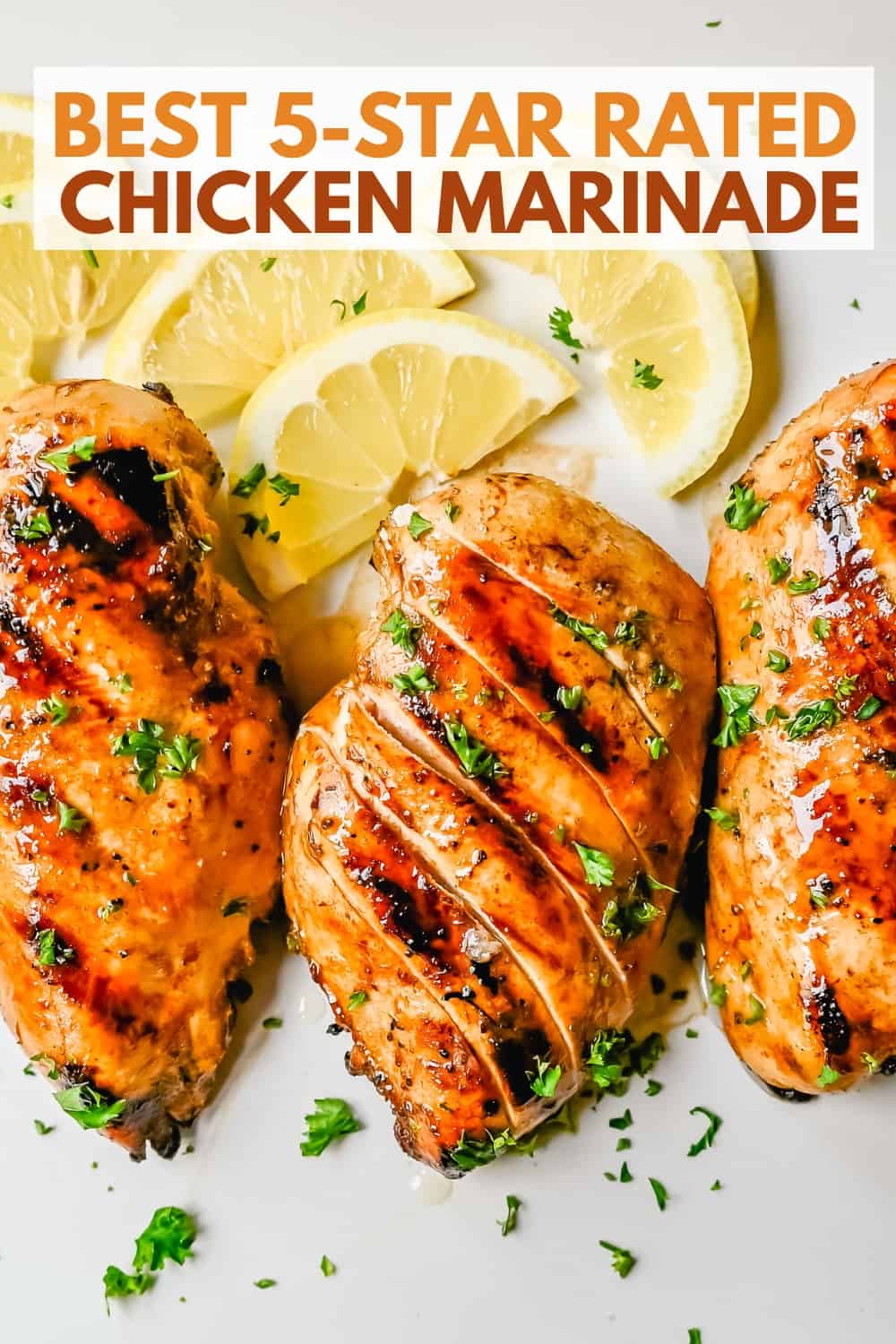
Credit: www.modernhoney.com
Grilling Tips For Marinated Chicken
Grilling tender chicken starts with a good marinade and ends with proper grilling techniques. Marinated chicken absorbs flavors deeply, making every bite juicy and delicious. To get the best results, focus on grilling cooking times, flipping techniques, and checking chicken doneness. These tips will ensure your grilled chicken marinade shines through and your chicken stays moist and flavorful.
Cooking Times
Grilling cooking times depend on chicken cut and thickness. Marinated chicken benefits from the right grilling time to keep it tender and full of flavor. Too long on the grill dries it out, too short leaves it undercooked.
Here are some general grilling cooking times for marinated chicken:
| Chicken Cut | Grilling Time (minutes) | Heat Level |
|---|---|---|
| Boneless, skinless breasts | 6-8 per side | Medium-high |
| Bone-in thighs or drumsticks | 10-12 per side | Medium |
| Chicken wings | 8-10 per side | Medium-high |
Use a timer and keep close watch to avoid overcooking. Marinate time for chicken also affects cooking. Longer marinade means more flavor but can make the surface softer and more prone to burning. Adjust grilling time accordingly.
Flipping Techniques
How to flip chicken on grill matters a lot for even cooking. Improper flipping can cause uneven grill marks or broken pieces. Use these grilling chicken techniques for best results:
- Use tongs: Avoid forks that pierce meat and release juices.
- Flip once or twice: Too many flips reduce flavor and cause sticking.
- Wait for grill marks: Let chicken cook 4-5 minutes before flipping to develop a crust.
- Gentle lift: Carefully lift and turn the chicken to keep it intact.
Flipping correctly helps the chicken flavor infusion stay locked inside. It prevents drying and keeps the marinade from burning on the grill surface. Patience is key to perfect grilled chicken marinade results.
Checking Doneness
Checking chicken doneness ensures safe eating and juicy texture. Undercooked chicken risks health, while overcooked chicken loses moisture. Use these tips for accurate checking chicken doneness:
- Use a meat thermometer: Insert in the thickest part. The safe internal temperature is 165°F (74°C).
- Visual cues: Juices should run clear, not pink.
- Texture test: Meat should feel firm but springy, not rubbery or mushy.
Tender grilled chicken depends on proper doneness. Avoid guessing by using tools and simple tests. This helps keep the marinade’s flavor and ensures food safety. Remember, checking doneness regularly during grilling keeps your chicken perfect every time.
Safety And Storage
Marinating chicken for grilling enhances flavor and tenderness. Yet, safety and storage play a key role in enjoying a delicious meal without health risks. Understanding safe marinating practices helps prevent foodborne illness and keeps your kitchen clean. Proper handling of chicken and marinade ensures the best taste and safety. This section covers essential tips on preventing cross-contamination, leftover marinade safety, and fresh chicken handling. Follow these to keep your grilled chicken both tasty and safe.
Avoiding Cross-contamination
Cross-contamination happens when harmful bacteria from raw chicken spread to other foods, surfaces, or utensils. This can cause food poisoning. To prevent this, follow these rules:
- Use separate cutting boards for raw chicken and other foods like vegetables.
- Wash hands thoroughly with soap and water before and after handling raw chicken.
- Clean all utensils and surfaces that touch raw chicken with hot, soapy water.
- Do not reuse marinade that touched raw chicken unless you boil it first.
Remember, the chicken marinade ingredients can carry bacteria if not handled right. Always keep raw chicken away from ready-to-eat foods. This simple step reduces risks greatly.
| Action | Why It Matters | Tip |
|---|---|---|
| Separate cutting boards | Prevents bacteria spread | Use color-coded boards |
| Hand washing | Kills germs on skin | Wash for 20 seconds |
| Clean utensils | Removes bacteria | Wash immediately after use |
Storing Leftover Marinade
Many recipes suggest saving some marinade for basting or sauce. But leftover marinade safety is critical. Marinade that touched raw chicken contains bacteria and must be handled carefully.
Follow these storage tips:
- Do not reuse marinade that was in contact with raw chicken unless boiled.
- Boil leftover marinade for at least 5 minutes to kill bacteria before using it as a sauce.
- Store any boiled marinade in a clean, airtight container in the fridge.
- Use marinade within 1-2 days for best safety and flavor.
Keeping marinade cold slows bacterial growth. Avoid leaving marinade at room temperature. Use these marinade storage tips to keep your grilling chicken marinade safe and flavorful.
Keeping Chicken Fresh
Fresh chicken handling is vital to reduce risks and improve taste. Start with chicken that is fresh or properly thawed. Follow these points for fresh chicken handling and storage:
- Marinating time for chicken varies by cut. Generally, 30 minutes to 12 hours is enough for flavor without spoilage.
- Always marinate chicken in the fridge, never on the counter.
- Use airtight containers or sealed bags for marinating. This prevents contamination and flavor loss.
- Cook chicken within 1-2 days after marinating for best freshness.
- Discard chicken that smells bad or looks slimy.
Safe storage keeps chicken fresh and tasty. Follow these steps to ensure your grilled chicken marinade delivers great flavor and stays safe from harmful bacteria.
:max_bytes(150000):strip_icc()/241890-grilled-chicken-marinade-DDMFS-4x3-93bf452481e645808c72f13349340582.jpg)
Credit: www.allrecipes.com
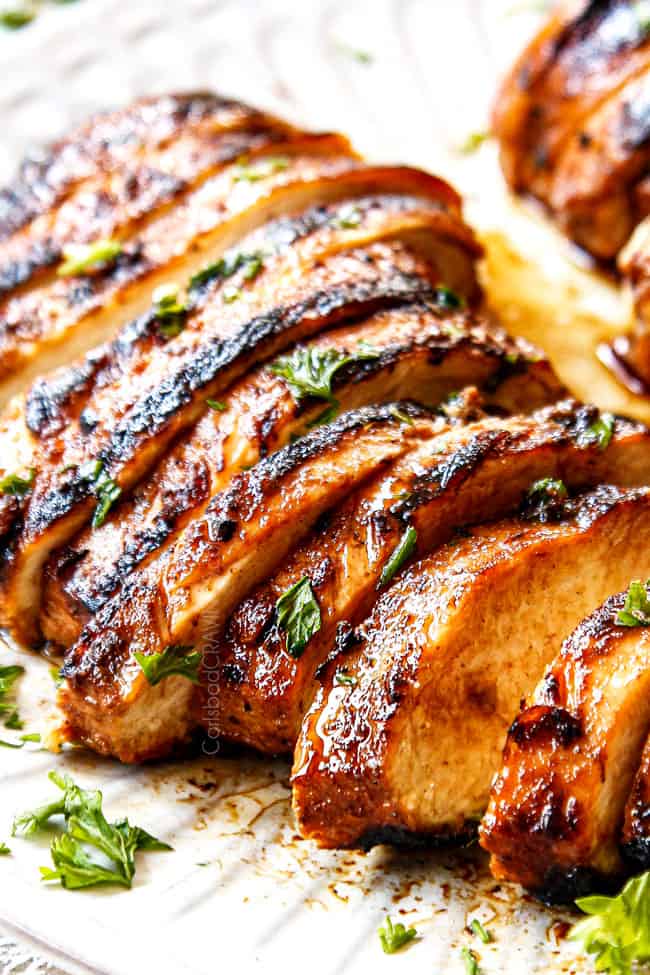
Credit: carlsbadcravings.com
Frequently Asked Questions
How Long Should I Marinate Chicken For Grilling?
Marinate chicken for at least 30 minutes to 4 hours. Longer marination enhances flavor and tenderness but avoid over 24 hours to prevent texture changes.
What Ingredients Make The Best Chicken Marinade?
Use acid (like lemon juice), oil, herbs, spices, and salt. These balance flavor, tenderize, and keep chicken juicy during grilling.
Can I Marinate Chicken Overnight Safely?
Yes, marinating chicken overnight in the fridge is safe. It allows deep flavor absorption but keep it under 24 hours for best texture.
Should I Pat Chicken Dry Before Grilling?
Yes, pat chicken dry before grilling to prevent flare-ups. Dry surface helps achieve better sear and caramelization for flavorful grilled chicken.
Conclusion
Marinating chicken adds flavor and keeps it juicy on the grill. Use simple ingredients and let the chicken soak for a few hours. This helps the spices and herbs soak in well. Avoid marinating too long, or the chicken may turn mushy.
Always grill at the right temperature for best results. Taste your chicken often and adjust seasoning if needed. Enjoy cooking with easy steps that bring great flavor every time. Grilled chicken can be tasty and healthy with the right marinade.
Give it a try and enjoy your meal!


.webp)