
Authentic Italian Lasagna Recipe
Authentic Italian Lasagna Recipe: Classic, Easy & Mouthwatering Guide
If you’ve ever tasted a truly great lasagna, you know it’s more than just food—it’s comfort, tradition, and a little bit of magic all rolled into one. But making authentic Italian lasagna at home might seem tricky or time-consuming.
What if you could create that rich, layered masterpiece yourself, with simple ingredients and clear steps? This recipe is designed just for you. Get ready to discover how easy it is to bring the real taste of Italy right to your kitchen, impress your family, and enjoy every delicious bite.
Keep reading, because your perfect lasagna is just a few steps away.

Credit: www.recipesfromitaly.com
Ingredients For Classic Lasagna
Creating a Traditional Italian Lasagna starts with selecting the right ingredients. Each element plays a key role in building the rich flavors of this classic dish. From the Slow-Cooked Meat Ragu to the creamy Ricotta Cheese Filling, every layer matters. Understanding the Ingredients for Classic Lasagna ensures a perfect balance in taste and texture for your Oven-Baked Lasagna.
Meat And Cheese Essentials
The heart of authentic lasagna lies in its meat and cheese. The Slow-Cooked Meat Ragu is usually made with a mix of ground beef and pork. This blend adds depth and richness. Slow cooking the sauce lets the flavors develop fully, creating a hearty base.
Ground Beef and Pork: Use fresh, high-quality meat for the ragu.
Ricotta Cheese Filling: This creamy cheese softens the layers and adds a mild, smooth texture.
Parmesan Cheese Topping: Finely grated parmesan adds a salty, nutty finish on top.
Mozzarella Cheese: Melts beautifully between layers, giving that gooey texture.
Here is a quick table summarizing the meat and cheese ingredients:
| Ingredient | Purpose | Quantity (for 6 servings) |
|---|---|---|
| Ground Beef and Pork | Base for meat sauce | 500g beef, 300g pork |
| Ricotta Cheese | Creamy cheese layer | 400g |
| Mozzarella Cheese | Melted cheese layer | 300g, sliced or shredded |
| Parmesan Cheese | Topping and flavor boost | 100g, grated |
Sauces And Seasonings
Sauces and seasonings bring the lasagna to life. The Homemade Bolognese Sauce is the main sauce, made by slow cooking meat with tomatoes and aromatic vegetables. It is rich and thick, perfect for layering.
The Béchamel Sauce Recipe adds a creamy, smooth layer that balances the acidity of the tomato sauce. It uses butter, flour, and milk to create a velvety texture.
Italian Seasoning Blend: A mix of basil, oregano, thyme, and rosemary. It adds authentic Italian flavors.
Garlic and Onion: Sautéed to enhance the sauce’s depth.
Salt and Pepper: Essential for seasoning every layer properly.
To keep the sauce balanced and flavorful, follow this seasoning guide:
Simmer the meat ragu for at least 2 hours.
Stir in the Italian Seasoning Blend halfway through cooking.
Prepare béchamel sauce separately and spread in thin layers.
Adjust salt and pepper taste before assembling.
Pasta Sheets Selection
The pasta is the foundation of Classic Lasagna Layering. Fresh pasta sheets work best. They cook quickly and absorb the flavors of the sauces beautifully. You can find fresh sheets in most Italian stores or make your own at home.
Dry pasta sheets are an alternative but need to be boiled before layering. Fresh sheets create a softer, more delicate texture in the final dish.
Fresh Pasta Sheets: Ideal for authentic texture and flavor.
Pre-cooked Dry Sheets: Use only if fresh is unavailable; boil until just tender.
Thickness: Medium-thick sheets hold the layers without becoming mushy.
When layering, place a pasta sheet first, then spread meat ragu, béchamel, and cheese. Repeat until the dish is full. Finish with a generous Parmesan Cheese Topping before baking.
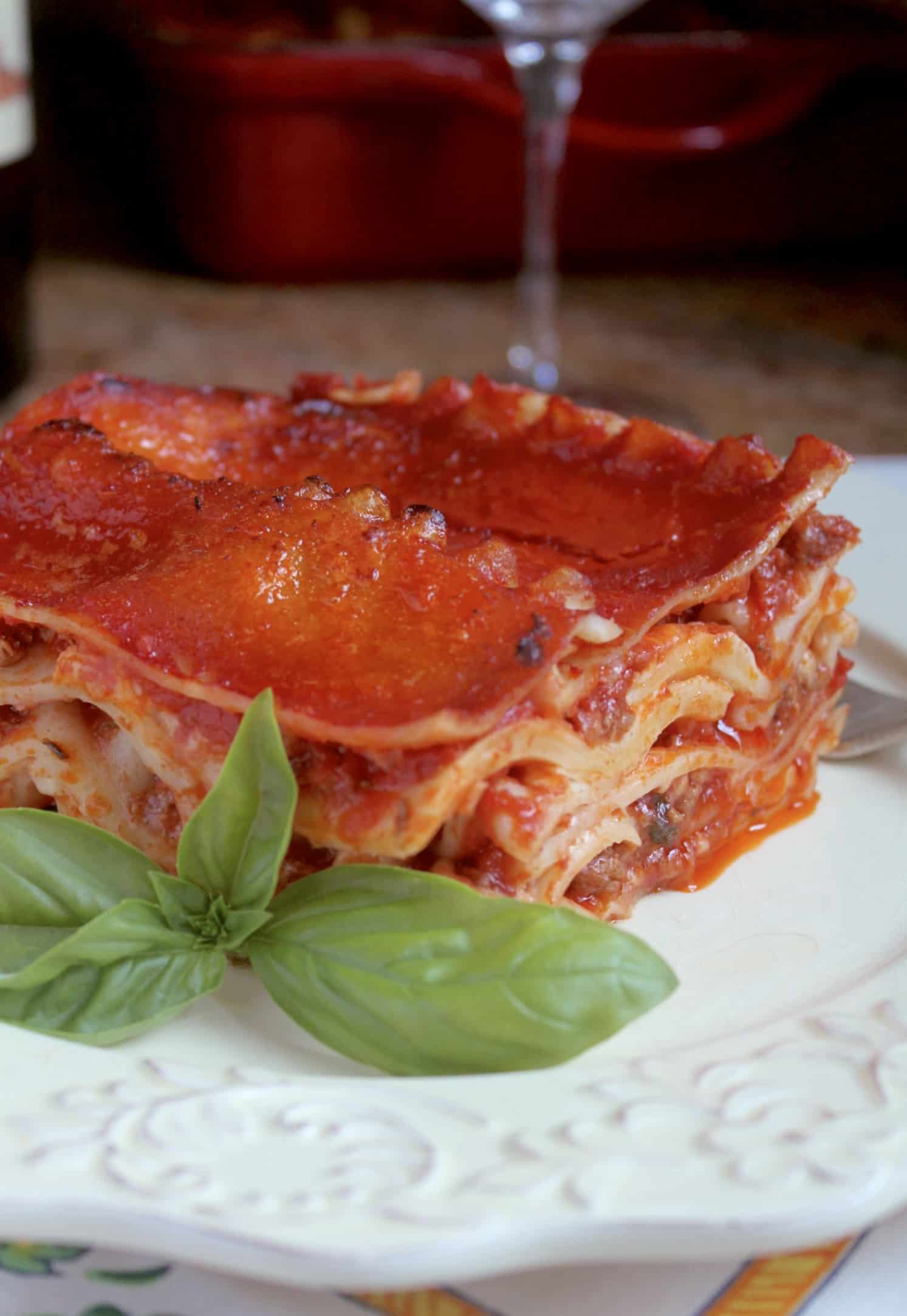
Credit: www.christinascucina.com
Preparing The Meat Sauce
Preparing the meat sauce is a vital step in making an Authentic Italian Lasagna Recipe. The sauce adds rich flavor and depth to the dish. A well-made slow-cooked meat sauce blends perfectly with the Ricotta Cheese Filling and Italian Cheese Blend.
It also complements the Béchamel Sauce and Layering Lasagna Noodles for a delicious Classic Italian Dinner. This section guides you through choosing the best meat and cooking the sauce to create a perfect Bolognese Sauce Recipe for your Homemade Lasagna.
Choosing The Right Meat
Choosing quality meat is essential for a tasty slow-cooked meat sauce. Traditional Bolognese Sauce Recipe uses a mix of meats to get a rich and balanced flavor. Here are the key points to consider:
Ground Beef: Use lean ground beef (80/20) for flavor and fat balance.
Ground Pork: Adds sweetness and richness to the sauce.
Ground Veal: Offers tenderness and a delicate flavor.
Optional: Some recipes include pancetta or bacon for smoky notes.
Mixing these meats gives the sauce a unique taste and texture. A simple table shows the common meat choices:
| Meat | Flavor Profile | Texture |
|---|---|---|
| Ground Beef | Rich, hearty | Firm |
| Ground Pork | Sweet, fatty | Soft |
| Ground Veal | Mild, tender | Delicate |
Choosing fresh meat and mixing these types creates a delicious base for your Traditional Italian Pasta. Fresh basil leaves can be added later for aroma and color.
Cooking The Sauce To Perfection
Cooking the meat sauce properly enhances its flavor and texture. The key is slow cooking at low heat, allowing ingredients to blend fully. Follow these steps for the best results:
Sauté onions and garlic: Use olive oil, cook until soft and fragrant.
Brown the meat: Add the mixed meat and cook until no pink remains.
Add tomato base: Use crushed tomatoes or tomato paste for richness.
Season well: Add salt, pepper, and fresh basil leaves for authentic taste.
Simmer slowly: Let the sauce cook for at least 1.5 to 2 hours.
Slow simmering breaks down the meat and thickens the sauce. It creates a perfect balance for layering with Ricotta Cheese Filling and Béchamel Sauce. Here is a quick overview of cooking times:
| Cooking Stage | Time | Purpose |
|---|---|---|
| Sauté Vegetables | 5–7 minutes | Softens onions and garlic |
| Brown Meat | 8–10 minutes | Develops meat flavor |
| Simmer Sauce | 90–120 minutes | Enhances flavor and thickens sauce |
Perfect sauce texture should be thick but moist, not watery. This slow-cooked meat sauce will bring out the best taste in your Homemade Lasagna. Layer it well with Traditional Italian Pasta, Ricotta Cheese Filling, and Italian Cheese Blend for an unforgettable meal.
Making The Béchamel Sauce
Making the Béchamel Sauce is a crucial step in preparing a Traditional Italian Lasagna. This creamy white sauce adds a smooth texture and rich flavor that balances the layers of Ground Beef Ragu, Ricotta Cheese, and Lasagna Noodles. Understanding the right method and ingredients helps you create an authentic base for your Classic Lasagna Recipe.
Using simple Italian Cooking Techniques, the sauce becomes silky and thick, complementing the Homemade Lasagna Sauce perfectly. It’s an essential part of the Italian Pasta Dish that brings all layers together beautifully.
Key Ingredients
The Béchamel Sauce has just a few basic ingredients but each plays an important role. Quality matters, especially for the creamy texture and mild flavor needed in this sauce.
Butter: Provides richness and helps cook the flour.
All-purpose Flour: Thickens the sauce to the right consistency.
Milk: The main liquid that creates the smooth base of the sauce.
Salt and White Pepper: Season the sauce without changing its color.
Nutmeg (optional): Adds a subtle warm spice, traditional in many Italian recipes.
These ingredients combine to create the creamy, velvety texture that contrasts with the hearty Slow-Cooked Tomato Sauce and savory Ground Beef Ragu. Below is a quick overview of their roles:
| Ingredient | Purpose |
|---|---|
| Butter | Fat base to cook flour and add richness |
| All-purpose Flour | Thickening agent for smooth sauce |
| Milk | Creates the creamy liquid texture |
| Salt & White Pepper | Season without changing color |
| Nutmeg (optional) | Adds subtle warmth and depth |
Step-by-step Sauce Preparation
Follow these steps to prepare the perfect Béchamel Sauce for your Classic Lasagna Recipe. The process uses simple Italian Cooking Techniques that ensure a smooth, lump-free sauce.
Melt the Butter: Use medium heat to melt butter in a saucepan without browning it.
Add Flour: Stir in the flour quickly, cooking it for 1-2 minutes. This forms a roux that thickens the sauce.
Slowly Add Milk: Pour in warm milk little by little, stirring constantly to avoid lumps.
Cook and Stir: Keep stirring until the sauce thickens and coats the back of a spoon.
Season: Add salt, white pepper, and a pinch of nutmeg to taste.
Remove from Heat: Once thick and smooth, take the sauce off the heat and use it immediately.
Important tips:
Use warm milk for easier mixing and less clumping.
Constant stirring keeps the sauce smooth and prevents burning.
Do not rush the thickening step; patience creates the best texture.
This Béchamel Sauce perfectly complements the Slow-Cooked Tomato Sauce and Ricotta Cheese layers in your Homemade Lasagna Sauce. It makes your Italian Pasta Dish creamy and delicious, true to the authentic Italian tradition.
Assembling The Layers
Assembling the layers is a crucial step in making an Authentic Italian Lasagna Recipe. This process brings together the classic lasagna ingredients like meat ragu, ricotta cheese filling, and béchamel sauce. Proper layering ensures the flavors blend perfectly and the texture turns out just right. Each layer should be carefully placed to create a balanced dish.
Understanding the pasta layering methods helps maintain structure and taste. The secret lies in even sauce distribution and thoughtful layering, which are key to traditional Italian lasagna. Let’s explore the best ways to assemble your lasagna layers for a delicious result.
Layering Techniques
Start with a thin layer of homemade pasta sauce at the bottom of your baking dish. This step prevents sticking and adds moisture. Next, place the first pasta sheet evenly. Follow with a layer of meat ragu, then spread a generous amount of ricotta cheese filling. Add a smooth layer of béchamel sauce over the cheese to keep the layers creamy and rich.
Repeat the layering sequence:
Homemade pasta sauce
Pasta sheet
Meat ragu
Ricotta cheese filling
Béchamel sauce
Finish with a final pasta sheet and top with sauce and shredded cheese for a golden crust. Layering this way creates a perfect balance of moisture and texture. Here’s a quick overview:
| Layer Order | Description |
|---|---|
| 1 | Thin sauce layer to prevent sticking |
| 2 | Pasta sheet for structure |
| 3 | Meat ragu for rich flavor |
| 4 | Ricotta cheese filling for creaminess |
| 5 | Béchamel sauce for smooth texture |
This method supports even cooking and keeps the layers intact during baking.
Tips For Even Distribution
Even sauce distribution is key in cooking lasagna layers properly. Uneven sauce can cause dry or soggy spots. Use a spoon or small ladle for spreading sauces evenly. Apply sauces gently to avoid tearing the pasta sheets. The traditional Italian lasagna tastes best when each bite has balanced flavors.
Follow these tips:
Spread homemade pasta sauce thinly but completely across the base and each layer.
Use a spatula to smooth the ricotta cheese filling and béchamel sauce evenly.
Keep pasta sheets flat and avoid overlapping edges.
Reserve extra sauce to add a final layer on top, ensuring moisture throughout.
Here’s a simple checklist for even distribution:
Use ladle or large spoon for sauces
Smooth cheese and béchamel with spatula
Check pasta sheets for flatness
Don’t overfill layers
Top with extra sauce for moisture
These Italian cooking tips ensure your lasagna cooks evenly. Balanced layers help flavors combine and give a neat presentation. Even distribution supports perfect texture and taste in every slice.
Baking The Lasagna
Baking the lasagna is a vital step in this Authentic Italian Lasagna Recipe. This process transforms all the fresh ingredients into a warm, flavorful dish. The Classic Lasagna Noodles soften perfectly, the Ragù Alla Bolognese and Béchamel Sauce blend smoothly, and the Melted Mozzarella Cheese forms a golden crust.
Proper baking ensures each layer of this Traditional Italian Lasagna cooks evenly and the flavors develop deeply. Follow the right oven settings and learn how to check for doneness to make your Homemade Lasagna Recipe a true Italian delight.
Oven Settings And Timing
Set your oven temperature to 375°F (190°C) for best results. This heat level cooks the lasagna evenly without drying it out. Use the middle rack to allow air to circulate around the pan. Cover the lasagna with aluminum foil during the first part of baking to keep moisture inside.
Bake covered for 30-35 minutes.
Remove the foil and bake for an additional 10-15 minutes to brown the cheese.
This timing works well for a standard 9x13-inch pan filled with layers of Slow-Cooked Meat Sauce, Layering Lasagna Ingredients, and pasta. If your lasagna is thicker or in a larger dish, add 10-15 minutes to the total time.
| Step | Temperature | Time | Notes |
|---|---|---|---|
| Bake Covered | 375°F (190°C) | 30–35 minutes | Retains moisture, softens noodles |
| Bake Uncovered | 375°F (190°C) | 10–15 minutes | Brown cheese, form crust |
These Lasagna Baking Tips help preserve the flavors of your Italian Pasta Dishes and create the ideal texture for your classic lasagna.
Checking For Doneness
Knowing when your lasagna is done is important. The center should be hot and bubbling, showing that the Ragù Alla Bolognese and Béchamel Sauce have cooked through. Look for these signs:
Golden, bubbly cheese: The Melted Mozzarella Cheese on top should be browned and bubbly.
Soft noodles: The Classic Lasagna Noodles should feel tender when pierced with a knife.
Bubbling sauce: Sauce should bubble up around the edges of the dish.
Use a knife or skewer to test the center. Insert it deep into the lasagna and hold for a few seconds. If it feels hot to the touch, the dish is ready. If it feels cool or the noodles resist, bake for another 5-10 minutes.
After baking, let the lasagna rest for at least 10 minutes. This helps the layers set and makes slicing easier. This step improves the texture and presentation of your Homemade Lasagna Recipe.
Serving Suggestions
Serving an Authentic Italian Lasagna Recipe is an art that completes the experience of this beloved Italian comfort food. The right garnishes, sides, and wine can elevate the flavors of the Ricotta Cheese Filling, Bolognese Meat Sauce, and Fresh Pasta Sheets. These serving suggestions highlight the best qualities of the Classic Lasagna Recipe and make your meal feel special. Simple touches can transform the dish into a festive dinner or a cozy family meal.
Understanding how to pair and present the lasagna brings out the rich taste of the Homemade Lasagna Sauce and the creamy texture of the Béchamel Sauce Recipe. Below are ideas to make your lasagna serving memorable.
Garnishes And Sides
Garnishes add color, texture, and extra flavor to your Traditional Italian Lasagna. Fresh herbs like basil, parsley, or oregano are perfect for sprinkling on top. These Italian Herbs For Lasagna enhance the taste and add a fresh aroma.
Fresh Basil Leaves: Adds a sweet and slightly peppery flavor.
Grated Parmesan Cheese: Offers a salty, nutty finish.
Cracked Black Pepper: Gives a mild heat to balance richness.
Cherry Tomatoes: Adds a burst of juiciness and color.
Pairing the lasagna with simple sides balances the meal. A crisp salad with lemon vinaigrette cuts through the richness of the Béchamel Sauce Recipe. Garlic bread is a classic side that complements the savory Bolognese Meat Sauce perfectly.
| Side Dish | Description | Why It Works |
|---|---|---|
| Mixed Green Salad | Fresh greens with olive oil and lemon | Light and refreshing contrast |
| Garlic Bread | Toasted bread with garlic butter | Crunchy texture and rich flavor |
| Roasted Vegetables | Seasonal veggies with herbs | Earthy flavors complement meat sauce |
Keep sides simple to highlight the main star: the Homemade Lasagna Sauce and Ricotta Cheese Filling. This approach respects the Lasagna Cooking Tips that focus on fresh, balanced flavors.
Wine Pairing Ideas
Choosing the right wine enhances the enjoyment of your Classic Lasagna Recipe. The rich layers of meat, cheese, and sauce call for wines with good acidity and moderate tannins. These qualities cut through the creamy Béchamel Sauce Recipe and Ricotta Cheese Filling while matching the boldness of the Bolognese Meat Sauce.
Here are some recommended wine options for Traditional Italian Lasagna:
Sangiovese: A classic Italian red with bright acidity and cherry notes.
Chianti: Pairs well with tomato-based sauces and herbs.
Barbera: Offers fresh fruit flavors and balanced tannins.
Montepulciano d’Abruzzo: Medium-bodied with soft tannins.
|
|---|
For a non-red option, a chilled Pinot Grigio offers a crisp and light contrast. Its acidity cuts through the richness of the Ricotta Cheese Filling and Fresh Pasta Sheets. This wine pairing advice follows traditional Italian practices and adds depth to your meal.
Common Mistakes To Avoid
Making an authentic Italian lasagna is rewarding but tricky. Many cooks face common problems that spoil the dish. Avoiding these mistakes leads to a perfect balance of flavors and textures. Understanding the key errors in Pasta Sheet Preparation, Ricotta Cheese Filling, and Sauce consistency helps keep the lasagna moist and tasty.
Paying close attention to Tomato Sauce Thickness and the Béchamel Sauce Recipe is essential. These sauces create the right base for layering. Slow-Cooked Ragù adds depth but must be just right. This section highlights common mistakes and how to fix them.
Sauce Consistency Issues
Sauce consistency can make or break a Traditional Italian Lasagna. Many cooks struggle with sauces that are too watery or too thick. Both extremes affect the final dish's texture and taste. Tomato Sauce Thickness matters a lot. A watery sauce makes the lasagna soggy, while a thick sauce can make it dry and heavy.
Use these tips to get the perfect sauce consistency:
Simmer your Homemade Lasagna Sauce slowly until it thickens.
For the Béchamel Sauce Recipe, cook it just enough to coat the back of a spoon.
Check the sauce by stirring; it should flow smoothly but not be runny.
Avoid adding too much water during cooking or mixing.
Here is a quick guide for sauce thickness:
| Sauce Type | Ideal Thickness | Signs of Wrong Thickness |
|---|---|---|
| Tomato Sauce | Thick but pourable, coats pasta well | Watery: lasagna soggy; Too thick: dry texture |
| Béchamel Sauce | Velvety, coats spoon, no lumps | Runny: layers slip; Too thick: heavy layers |
Perfect sauce consistency improves Lasagna Layering Tips and balances moisture with flavor. It also complements the Ricotta Cheese Filling and the Slow-Cooked Ragù for the best result.
Overcooking And Dryness
Overcooking lasagna causes dryness and tough pasta sheets. Many recipes suggest baking times that are too long. Baking Time For Lasagna must be just right to keep layers moist. Pasta sheets need to cook fully but not overdo it. Overcooked sheets lose softness and absorb too much sauce, drying out the dish.
Use these guidelines to prevent dryness:
Follow the recommended Baking Time For Lasagna, usually 40-45 minutes at 375°F (190°C).
Cover the dish with foil for the first 30 minutes to trap steam.
Remove foil in the last 10-15 minutes to brown the top layer.
Let the lasagna rest for 10-15 minutes before serving to set layers.
Check the following table for common causes of dryness and solutions:
| Cause | Effect | How to Fix |
|---|---|---|
| Too long baking time | Dry, tough pasta sheets | Reduce baking time, use foil cover |
| Insufficient sauce | Dry layers, less flavor | Use enough Homemade Lasagna Sauce and Ricotta Cheese Filling |
| Thin pasta sheets | Break easily, dry out | Choose good quality sheets or pre-cook slightly |
Proper cooking times and good sauce moisture are key to Preventing Lasagna Dryness. Combining these with careful Lasagna Layering Tips ensures every bite is rich and soft.

Credit: tastesbetterfromscratch.com
Variations On The Classic
Authentic Italian Lasagna Recipe offers a rich taste of Italian culinary traditions, celebrated worldwide for its layers of pasta, sauce, and cheese. The Classic Meat Lasagna features a hearty slow-cooked ragù sauce and ricotta cheese filling, combined with tender lasagna noodles. Many cooks enjoy experimenting with variations on the classic to suit different tastes and dietary needs. These variations bring new flavors and textures while respecting the essence of traditional Italian lasagna.
Vegetarian Alternatives
Vegetarian lasagna options provide a delicious twist without meat but keep the dish hearty and satisfying. Instead of the slow-cooked ragù sauce, cooks use vegetable-based sauces with fresh herbs and spices. Common vegetables include zucchini, eggplant, mushrooms, and spinach, which add layers of flavor and nutrients.
Ricotta Cheese Filling remains a popular choice, lending creaminess and richness.
Tomato sauce can be enhanced with garlic, onions, and fresh basil for depth.
Béchamel sauce recipe adds a smooth, velvety texture to balance the vegetables.
Some recipes replace traditional lasagna noodles with alternatives like spinach or whole wheat versions. These changes keep the dish light but still comforting.
| Vegetarian Ingredient | Flavor Profile | Texture |
|---|---|---|
| Zucchini | Mild, slightly sweet | Soft and tender when baked |
| Mushrooms | Earthy, umami | Meaty and chewy |
| Spinach | Fresh, slightly bitter | Soft, blends well with cheese |
Vegetarian lasagna options suit those who avoid meat but still want a rich, layered pasta dish. These versions honor the spirit of traditional Italian lasagna while catering to modern tastes.
Regional Italian Twists
Regional Italian pasta dishes reflect the diverse flavors found across Italy. Each area adds unique ingredients and methods to the classic lasagna, creating distinct versions.
In Northern Italy, particularly Emilia-Romagna, the lasagna often includes a rich béchamel sauce recipe instead of ricotta cheese filling. The slow-cooked ragù sauce here is made with pork and beef, creating a deep, savory flavor. Lasagna noodles types are usually fresh, wide sheets that absorb the sauce well.
Southern Italy favors simpler, lighter versions. Tomato-based homemade lasagna sauce dominates, sometimes with added ricotta or mozzarella cheese. Some regions add local vegetables or herbs for extra flavor.
Emilia-Romagna: Béchamel sauce, pork and beef ragù, fresh wide noodles.
Campania: Tomato sauce, ricotta cheese, fresh basil, and mozzarella.
Tuscany: Use of wild herbs and mushrooms in the ragù sauce.
These regional twists show how lasagna adapts to local tastes while staying true to its roots. Exploring these variations offers a delicious way to experience Italian culinary traditions beyond the classic meat lasagna.
Frequently Asked Questions
What Ingredients Make Authentic Italian Lasagna Special?
Authentic Italian lasagna uses fresh pasta sheets, rich béchamel sauce, homemade ragù, and aged Parmesan cheese. Quality ingredients create traditional, deep flavors. Fresh herbs like basil or oregano enhance the taste, making the dish truly authentic and flavorful.
How Long Should I Bake Authentic Italian Lasagna?
Bake authentic Italian lasagna at 375°F (190°C) for 45 to 50 minutes. Cover with foil for the first 30 minutes to retain moisture. Remove the foil in the last 15 minutes for a golden, bubbly top layer.
Can I Prepare Lasagna Ahead And Freeze It?
Yes, authentic Italian lasagna freezes well. Assemble it fully, then wrap tightly with foil and plastic wrap. Freeze for up to 3 months. Thaw overnight in the fridge before baking for best results and flavor preservation.
What Cheese Is Best For Authentic Italian Lasagna?
Parmigiano-Reggiano is the classic cheese for authentic Italian lasagna. It adds a nutty, sharp flavor. Mozzarella is also used for meltiness. Combining both cheeses gives the lasagna an ideal texture and rich taste.
Conclusion
This authentic Italian lasagna recipe brings rich flavors to your table. Fresh ingredients and simple steps create a delicious meal. You can share it with family and friends. Enjoy the layers of cheese, sauce, and pasta in every bite. Cooking this dish can make your kitchen smell amazing.
Try making it soon and taste real Italy at home. A warm, tasty lasagna always feels like a special treat. Give it a go and enjoy the comfort it brings.


