
How to Steam Vegetables Without Losing Nutrients
How to Steam Vegetables Without Losing Nutrients: Ultimate Guide
Are you tired of cooking vegetables only to find they lose their bright color, crisp texture, and most importantly, their nutrients? Steaming is one of the best ways to keep your veggies healthy and delicious, but many people don’t know the right techniques to do it perfectly.
If you want to enjoy vibrant, nutrient-packed vegetables every time, this guide is for you. Keep reading to discover simple, effective tips that will help you steam your vegetables without losing the valuable vitamins and minerals your body needs. Your meals will never be the same!
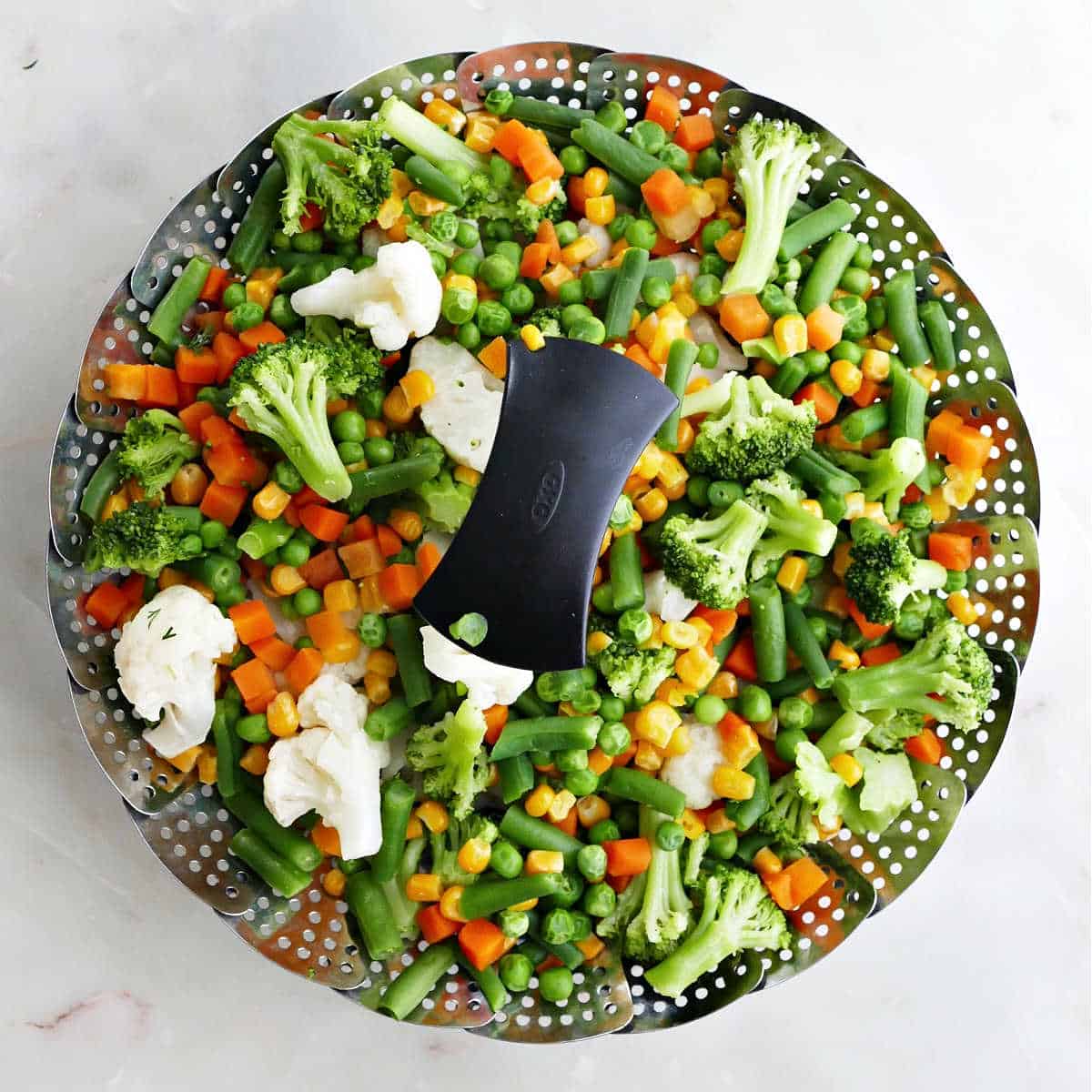
Credit: itsavegworldafterall.com
Benefits Of Steaming Vegetables
Cooking vegetables without nutrient loss is possible with the right technique. Steaming stands out as a top method. It helps keep vitamins and minerals inside the vegetables. Many wonder how to steam broccoli without losing nutrients or other veggies. Knowing the right vegetable steaming time is key. Simple steam vegetables tips make a big difference in nutrient retention. Compared to boiling, steam vs boil vegetables nutrition shows steaming keeps more nutrients. This is one of the best methods to steam vegetables for health. Preserving vitamins while steaming is easier than other cooking styles. Steaming vegetables benefits include taste, texture, and nutrition. It is among the healthy vegetable cooking techniques that anyone can use.
Preserves Nutrient Retention In Steamed Vegetables
Steaming uses gentle heat and steam to cook vegetables. It avoids direct contact with water. This reduces vitamin loss, especially water-soluble ones like vitamin C and B vitamins. Nutrient retention in steamed vegetables is higher than boiling or frying. The steam cooks food quickly, preserving nutrients that heat can destroy. This method keeps minerals inside the vegetable cells. You get more nutrition per bite.
Maintains Natural Flavor And Texture
Steaming helps vegetables keep their natural flavor and crispness. Unlike boiling, vegetables do not become soggy or bland. The taste stays fresh and bright. This makes meals more enjoyable and encourages eating more vegetables. The texture is firm but tender, ideal for many recipes. This helps preserve the vegetable’s appeal and nutrients.
Supports Healthy Vegetable Cooking Techniques
Steaming is simple and requires little to no oil. This lowers fat and calorie intake. It fits well in healthy vegetable cooking techniques. The process keeps the food light and healthy. It suits diets focusing on weight control and heart health. Steaming is easy to learn and quick to use. This encourages healthier eating habits.
Reduces Cooking Time And Nutrient Loss
Vegetable steaming time is generally short. This quick cooking reduces nutrient damage. The shorter heat exposure keeps vitamins intact. Steaming cuts down the time vegetables spend in the heat. This means more nutrients stay inside. It is a fast way to prepare meals while keeping them healthy.
Cooking Method | Nutrient Retention | Texture | Flavor |
|---|---|---|---|
Steaming | High | Firm and Tender | Fresh and Natural |
Boiling | Low | Soft and Soggy | Blunt |
Frying | Medium | Crispy | Rich |
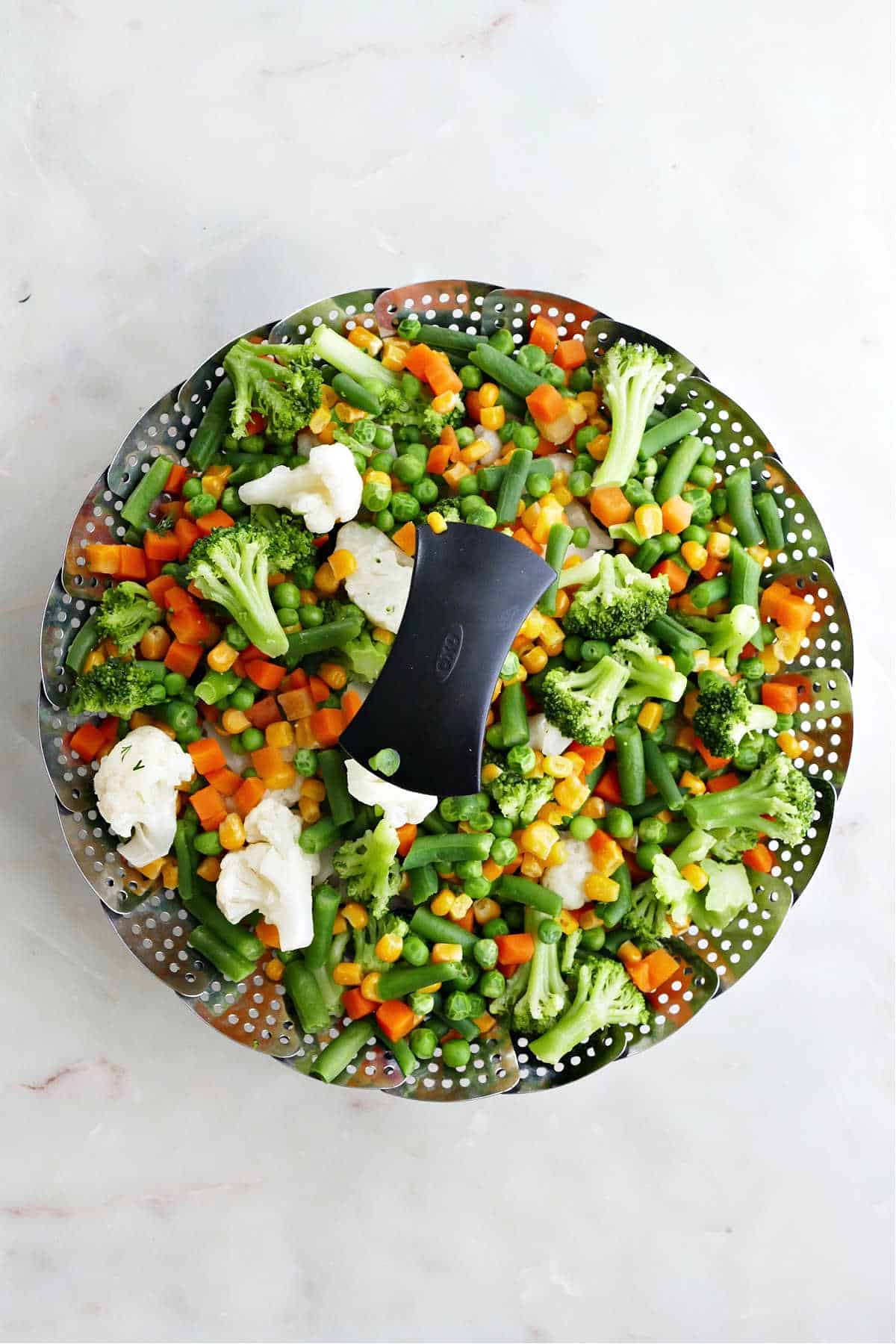
Credit: itsavegworldafterall.com
Choosing The Right Vegetables
Steaming vegetables is one of the best ways to enjoy their natural flavors and keep vitamins intact. Choosing the right vegetables plays a big role in maintaining vegetable nutrients during steam cooking techniques. Not all vegetables react the same to steaming. Some hold their nutrients better, while others may lose more vitamins if overcooked. Understanding how to pick vegetables helps reduce vegetable nutrient loss and improves nutrient retention. This simple step supports healthy cooking methods by preserving vitamins in vegetables and maximizing steaming vegetables benefits.
Which Vegetables Retain Nutrients Best
Leafy greens like spinach and kale have delicate vitamins that steam protects well. Cruciferous vegetables such as broccoli and cauliflower keep their nutrients when steamed rather than boiled. Root vegetables like carrots and sweet potatoes also do well with gentle steam cooking techniques. These vegetables show high nutrient retention compared to other cooking methods.
Spinach - preserves vitamin C and folate
Broccoli - retains vitamin K and antioxidants
Carrots - keeps beta-carotene
Sweet potatoes - holds vitamin A
Vegetables That May Lose Nutrients Quickly
Some vegetables have water-soluble vitamins that can wash away even with steam. For example, green beans and asparagus may lose nutrients if over-steamed. Mushrooms contain antioxidants that reduce after long exposure to heat. Steam vs boil vegetables shows steaming often reduces nutrient loss but timing is key.
Green beans - vitamin C is sensitive to heat
Asparagus - folate may degrade fast
Mushrooms - antioxidants decrease with long steam
How To Select Vegetables For Best Nutrient Retention
Pick fresh, firm vegetables with bright colors for better nutrient levels. Avoid old or wilted produce. Cut vegetables into uniform pieces to ensure even cooking without over-steaming. Smaller pieces cook faster, preserving nutrients. Choose organic when possible to reduce pesticide exposure, helping maintain vegetable nutrients naturally.
Selection Tip | Reason for Nutrient Retention |
|---|---|
Fresh and firm | Higher vitamin levels and antioxidants |
Bright color | Indicates good nutrient content |
Uniform size cuts | Even steam cooking, less nutrient loss |
Organic options | Less chemical residue, healthier nutrients |
Preparing Vegetables For Steaming
Preparing vegetables for steaming is a key step to preserve their flavor, texture, and most importantly, their nutrients. Proper preparation helps in nutrient loss prevention and ensures maximum nutrient retention in steaming. The way you wash, cut, soak, or blanch vegetables affects how well they keep their vitamins and minerals during cooking. Following simple healthy vegetable preparation methods can improve your steamed dishes and make them more nutritious.
Washing And Cutting
Cleaning vegetables properly is the first step in vegetable washing techniques that preserve nutrients. Rinse vegetables under cold, running water to remove dirt and pesticides. Avoid soaking at this stage, as it can cause nutrient loss. Use a soft brush for root vegetables like carrots and potatoes to clean crevices.
Cutting vegetables correctly is essential for cutting vegetables for steaming and helps in even cooking and better nutrient preservation. Follow these tips:
Cut into uniform pieces: Ensures even heat distribution and reduces overcooking.
Use sharp knives: Prevents crushing cells, which can lead to vitamin loss.
Cut just before steaming: Limits exposure to air and light, which degrade nutrients.
Here is a quick table summarizing washing and cutting tips for steam cooking tips:
Step | Technique | Benefit |
|---|---|---|
Washing | Cold running water, soft brush | Removes dirt, preserves vitamins |
Cutting | Uniform pieces, sharp knife | Even cooking, reduces nutrient loss |
Soaking And Blanching
Soaking vegetables before cooking helps remove pesticides and dirt left inside layers. Use clean, cold water and soak for 5 to 10 minutes. Avoid long soaking to prevent vitamins from leaching out. This step supports nutrient retention in steaming by reducing unwanted residues.
Blanching vegetables process involves briefly boiling vegetables and then plunging them into cold water. This method prepares vegetables for steaming by:
Stopping enzyme actions that cause spoilage.
Preserving vibrant color and texture.
Reducing cooking time during steaming.
Blanching helps lock in vitamins, especially vitamin C and B-complex. Use these tips for blanching:
Boil vegetables only for 1-3 minutes depending on type.
Immediately cool in ice water to stop cooking.
Drain well before steaming.
Combining soaking and blanching offers multiple steaming vegetables benefits. It enhances nutrient preservation and improves the taste and texture of vegetables after steaming.

Credit: mapleandmarigold.com
Steaming Methods That Preserve Nutrients
Steaming vegetables is one of the best ways to keep their nutrients intact. Many cooking methods cause vitamins and minerals to leach out or break down. Steaming uses gentle heat and steam to cook vegetables without submerging them in water. This helps preserve vitamins in vegetables, making meals healthier. Different steaming techniques offer various benefits for nutrient retention. Choosing the right method can improve flavor, texture, and health value. Below are some common steaming methods that preserve nutrients well.
Using A Steamer Basket
A steamer basket is a simple tool that fits inside a pot. It holds vegetables above boiling water, letting steam cook them evenly. This method is popular for healthy vegetable steaming because it uses no added fat or oil.
Benefits of Using a Steamer Basket:
Prevents vegetables from sitting in water, reducing nutrient loss.
Allows easy control of cooking time for different vegetables.
Simple and inexpensive equipment found in most kitchens.
Tips for Best Nutrient Retention:
Fill the pot with just enough water to create steam, not touch vegetables.
Cover the pot with a tight-fitting lid to trap steam.
Check vegetables often to avoid overcooking, which can break down vitamins.
Cut vegetables into uniform sizes for even cooking.
Vegetable | Steaming Time | Nutrient Preservation |
|---|---|---|
Broccoli | 5-7 minutes | High retention of vitamin C and folate |
Carrots | 7-10 minutes | Preserves beta-carotene and antioxidants |
Green beans | 4-6 minutes | Maintains vitamin K and fiber content |
Microwave Steaming
Microwave vegetable steaming uses the microwave oven to cook vegetables with steam. It is a fast method that keeps nutrient retention high by reducing cooking time. This gentle cooking method traps moisture inside the microwave-safe container, helping preserve vitamins and minerals.
How to Microwave Steam Vegetables:
Place chopped vegetables in a microwave-safe bowl.
Add a small amount of water (about 2 tablespoons).
Cover with a microwave-safe lid or plastic wrap, leaving a vent.
Cook on high for 2 to 6 minutes, depending on vegetable type and amount.
Microwave steaming is convenient and uses less water compared to boiling. It also helps keep the color, texture, and flavor of vegetables intact. This method suits busy people who want quick and healthy meals.
Vegetable | Microwave Time | Water Amount |
|---|---|---|
Spinach | 2 minutes | 2 tbsp |
Cauliflower | 4-5 minutes | 3 tbsp |
Peas | 3 minutes | 2 tbsp |
Electric Steamer Options
Electric vegetable steamers offer a modern way to steam vegetables with minimal effort. These appliances use steam cooking benefits to cook vegetables evenly while preserving nutrients. They often come with multiple tiers for steaming different vegetables at once.
Advantages of Electric Vegetable Steamers:
Precise temperature and time control for consistent results.
Hands-free cooking with automatic shut-off features.
Large capacity for cooking meals for families.
Separate compartments prevent flavors from mixing.
Electric steamers promote nutrient preservation strategies by using controlled steam heat. This reduces overcooking and nutrient loss. They are ideal for those who want an easy and healthy vegetable cooking method without standing by the stove.
Model | Features | Best For |
|---|---|---|
Steamer A | 3 tiers, timer, auto shut-off | Families, batch cooking |
Steamer B | Compact, easy-clean, BPA free | Small kitchens, quick meals |
Steamer C | Digital controls, keep warm function | Precision cooking, meal prep |
Optimal Steaming Times And Temperatures
Steaming vegetables is a gentle vegetable cooking method that keeps most nutrients intact. Using the right steam cooking techniques helps reduce vegetable nutrient loss prevention. The best way to steam vegetables balances time and temperature for optimal nutrient retention. Cooking vegetables without nutrients loss means avoiding overcooking and high heat. Steam vs boil vegetables shows steaming preserves more vitamins in vegetables. Healthy cooking methods like steaming protect flavor and texture while boosting steaming vegetables benefits.
Optimal Steaming Temperatures For Different Vegetables
Steaming temperature affects how well vitamins and minerals stay in vegetables. Keep water just boiling at about 100°C (212°F). This creates steam without direct contact with boiling water, preserving nutrients.
Leafy greens: Steam at 100°C for short times to keep vitamins.
Root vegetables: Use steady 100°C steam but allow longer time for softness.
Cruciferous veggies: Steam at 100°C but avoid over steaming to prevent nutrient loss.
Do not use temperatures higher than 100°C. It can break down vitamins and reduce steaming vegetables benefits.
Recommended Steaming Times For Common Vegetables
Vegetable | Steaming Time (minutes) | Notes |
|---|---|---|
Spinach | 2-3 | Very quick; preserves vitamin C and folate. |
Broccoli | 5-6 | Stops enzyme activity that reduces nutrients. |
Carrots | 7-8 | Soft but retains beta-carotene well. |
Green beans | 4-5 | Crunchy texture keeps vitamins intact. |
Cauliflower | 6-7 | Prevents vitamin C loss with moderate steaming. |
Tips To Maximize Nutrient Retention While Steaming
Use a steaming basket to avoid water contact with vegetables.
Cover tightly to trap steam and heat evenly.
Steam small, even-sized pieces for uniform cooking.
Start timing only when steam rises fully.
Remove vegetables immediately when done to prevent overcooking.
Comparing Steam Vs Boil Vegetables For Nutrient Preservation
Boiling vegetables often causes vitamins to leach into water. This leads to nutrient loss. Steaming keeps vegetables above water, reducing this effect. Nutrient retention is higher in steamed vegetables, especially vitamin C and folate. Steam cooking techniques preserve color, flavor, and texture better than boiling. Choose steaming for healthy cooking methods that protect vegetable nutrients.
Tips To Maximize Nutrient Retention
Steaming vegetables is a popular healthy cooking method because it preserves most vitamins and minerals. To keep the nutrients intact, it is important to follow specific steaming best practices. Heat exposure and water use during steaming affect nutrient retention significantly. This section shares simple tips to maximize nutrient retention while steaming. Applying these steam cooking tips helps keep your vegetables fresh, tasty, and full of vitamins.
Avoiding Overcooking
Overcooking vegetables causes loss of water-soluble nutrients like vitamin C and B vitamins. Cooking time control is key to preserving these delicate nutrients. Steaming for too long increases heat exposure, which breaks down vitamins and minerals.
Follow these guidelines to avoid overcooking:
Check vegetables regularly during steaming.
Steam tender vegetables like spinach or peas for 3-5 minutes only.
Steam harder vegetables like carrots or broccoli for 7-10 minutes.
Use a timer to prevent accidental long cooking.
Remove vegetables as soon as they become tender but still crisp.
Here is a quick reference table for steaming times:
Vegetable | Steaming Time (minutes) |
|---|---|
Spinach | 3-4 |
Broccoli | 7-9 |
Carrots | 7-10 |
Green Beans | 5-7 |
Gentle cooking with controlled heat exposure helps maintain nutrient retention. Avoid steaming beyond recommended times to keep vegetables fresh and healthy.
Using Minimal Water
Water-soluble nutrients easily leach out into excess water during steaming. Using minimal water reduces nutrient loss and improves flavor. Vegetable steaming techniques focus on using just enough water to create steam without submerging the vegetables.
Use these steam cooking tips to manage water amount:
Fill the steamer pot with 1-2 inches of water only.
Ensure the water does not touch the vegetables placed in the basket.
Refill water if steaming takes longer to avoid drying.
Use a tightly fitting lid to trap steam efficiently.
Minimal water usage limits nutrient leaching, preserving important vitamins. It also shortens cooking time by creating strong steam quickly.
Follow this simple setup:
Water Level: 1-2 inches
Vegetables: Placed on steamer basket above water
Lid: Tightly covered to trap steam
Reducing water exposure is an easy way to improve nutrient retention in steamed vegetables.
Covering The Steamer Properly
Covering the steamer properly ensures consistent heat and steam circulation. This reduces cooking time and protects nutrients from excessive heat exposure. A tight lid traps steam, creating a moist environment that cooks vegetables gently.
Tips for covering the steamer:
Use a lid that fits snugly on your steamer pot or basket.
Check the lid seal for gaps or cracks.
Avoid lifting the lid frequently during steaming to keep heat steady.
If steam escapes, add boiling water to maintain steam pressure.
Proper covering keeps steam inside and prevents nutrient loss through evaporation. It also helps vegetables cook evenly and quickly, preserving vitamins and texture.
Remember, steaming best practices include maintaining a closed environment to maximize nutrient retention. This simple step improves the quality and health value of your steamed vegetables.
Storing And Serving Steamed Vegetables
Steaming vegetables is one of the best ways to keep their vitamins and minerals intact. Using gentle cooking methods like steaming helps improve nutrient retention. After steaming, how you store and serve vegetables plays a big role in nutrient preservation. Proper handling supports the steam vegetables health benefits and ensures you enjoy all the nutrients. This section shares nutrient preservation tips for storing and serving steamed vegetables to maximize their health value.
Storing Steamed Vegetables For Maximum Nutrient Retention
Steamed vegetables should be cooled quickly to avoid nutrient loss. Place them in shallow containers and refrigerate within two hours. Use airtight containers to keep moisture and nutrients inside. Avoid storing vegetables at room temperature for long periods. Proper storage slows down vitamin breakdown and preserves flavor.
Storage Tip | Why It Matters |
|---|---|
Use airtight containers | Prevents moisture loss and keeps vitamins stable |
Refrigerate quickly | Stops bacterial growth and nutrient degradation |
Store in small portions | Makes reheating easier and keeps nutrients intact |
Best Ways To Serve Steamed Vegetables Without Nutrient Loss
Serve steamed vegetables soon after cooking to enjoy cooking vegetables without nutrient loss. Reheat gently using low heat or microwave with a cover to retain moisture and nutrients. Avoid boiling or frying after steaming, as these methods can reduce vitamins. Add healthy fats like olive oil or nuts to improve nutrient absorption. Simple seasoning keeps the natural taste and benefits intact.
Serve immediately for best nutrient retention
Reheat with low heat and cover to keep moisture
Avoid overcooking during reheating
Add healthy fats for better vitamin absorption
Use light herbs and spices to enhance flavor
Tips For Maintaining Steam Cooking Benefits During Serving
Keep the steaming water clean and fresh for each batch. Use proper steam vegetable methods like using a steamer basket to avoid direct contact with water. Avoid peeling vegetables too much, as skin holds many nutrients. Serve vegetables whole or in large pieces to reduce nutrient loss. These healthy cooking techniques keep vitamins and minerals preserved from steam to plate.
Clean steamer basket regularly
Steam vegetables just until tender
Keep vegetable skins when possible
Serve without excessive cutting or mashing
Pair steamed veggies with nutrient-rich sides
Frequently Asked Questions
How Does Steaming Preserve Vegetable Nutrients?
Steaming uses gentle heat and minimal water, which reduces nutrient loss. It prevents vitamins from leaching out, keeping vegetables healthier and more flavorful. This method retains water-soluble vitamins like vitamin C and B-complex effectively compared to boiling or frying.
What Is The Best Steaming Time For Vegetables?
The ideal steaming time varies by vegetable but generally ranges from 5 to 10 minutes. Steaming too long can break down nutrients and texture. Check vegetables regularly and remove them when tender yet firm to maximize nutrient retention.
Can I Steam Vegetables Without A Steamer Basket?
Yes, you can steam using a metal colander or sieve over boiling water. Ensure the vegetables don’t touch the water to avoid nutrient loss. Cover tightly with a lid to trap steam and cook the vegetables evenly.
Does Steaming Vegetables Affect Antioxidants?
Steaming helps preserve antioxidants better than boiling or frying. The short cooking time and gentle heat reduce degradation of antioxidant compounds. This method maintains the vegetables’ health benefits and enhances their natural flavors.
Conclusion
Steaming vegetables keeps their vitamins and minerals intact. Use a steamer basket and avoid overcooking. Short cooking times help preserve nutrients and color. Fresh vegetables taste better and stay healthy this way. Try steaming regularly for simple, healthy meals. Enjoy your food with more flavor and nutrition.
Small steps make a big difference in your diet. Keep these tips in mind to eat well daily.


.webp)