
Daily Recommended Calories
Daily Recommended Calories: Unlock Your Ideal Intake for Weight Success

Calories are the energy your body needs to work. Every day, your body uses calories for many activities. Walking, thinking, and even sleeping need calories. Eating the right amount of calories helps you stay healthy. But how many calories should you eat each day? This guide will help you understand daily recommended calories.
What Are Calories?
Calories come from the food you eat. Foods like bread, fruits, and meat have calories. Your body changes these foods into energy. This energy helps you do everything. If you eat too many calories, your body stores extra energy as fat. If you eat too few, your body may not have enough energy to work well.
Why Do Daily Calories Matter?
Eating the right amount of calories helps you keep your weight. It also gives you energy to do your daily tasks. Eating the wrong amount can cause problems. Too many calories can lead to weight gain. Too few calories can make you feel tired and weak.
How Many Calories Do You Need?
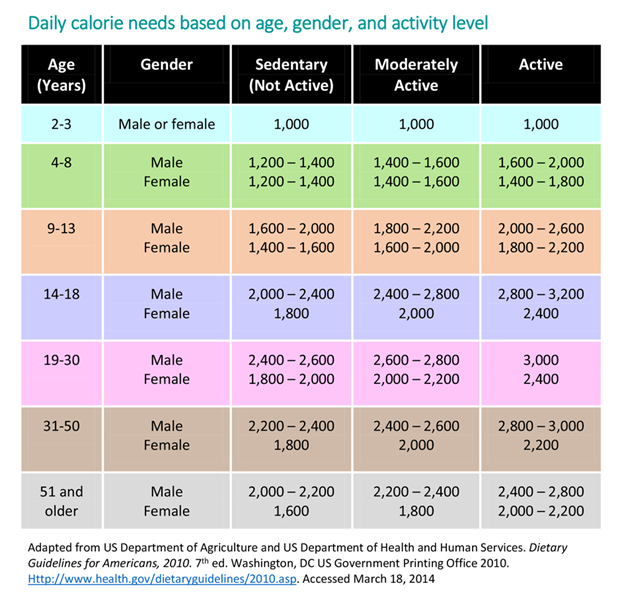
The number of calories you need depends on many things. Your age, gender, and how active you are all matter. For example, children need calories to grow. Adults need calories to keep their body working. Older people usually need fewer calories.
Calories Needed By Age And Gender
| Age Group | Men (calories/day) | Women (calories/day) |
|---|---|---|
| 2–8 years | 1,000 – 1,400 | 1,000 – 1,400 |
| 9–13 years | 1,600 – 2,200 | 1,400 – 2,000 |
| 14–18 years | 2,000 – 3,200 | 1,800 – 2,400 |
| 19–30 years | 2,400 – 3,000 | 1,800 – 2,400 |
| 31–50 years | 2,200 – 3,000 | 1,800 – 2,200 |
| 51+ years | 2,000 – 2,800 | 1,600 – 2,200 |
How Activity Level Changes Calorie Needs
Activity level is how much you move each day. It is a big part of your calorie needs. There are three main levels:
Sedentary: Little or no exercise.
Moderately active: Some exercise or walking every day.
Active: Hard exercise or physical job daily.
Let’s see how activity changes calorie needs.
| Activity Level | Calories Needed (example) |
|---|---|
| Sedentary | 1,800 calories/day |
| Moderately active | 2,200 calories/day |
| Active | 2,600 calories/day |
How to Calculate Your Daily Calories
You can estimate your calories using simple steps. Here’s how:
Find your Basal Metabolic Rate (BMR). This is calories your body uses at rest.
Multiply BMR by your activity level. This gives total calories you need.
Use online calculators for easy help.
Many websites like MyPlate.gov and Mayo Clinic offer calculators. Just enter your age, weight, height, and activity level.
Credit: accesspediatricsltd.com
What Happens If You Eat More or Less?
Eating more calories than you need causes weight gain. Your body saves extra energy as fat. Eating less calories than your body needs causes weight loss. But eating too little can harm your health.
It is important to eat a balanced amount. Balance means not too much and not too little.
Tips to Manage Your Daily Calories
Here are simple ideas to help you eat the right calories:
Eat three meals a day: Breakfast, lunch, and dinner keep energy steady.
Include protein: Meat, beans, eggs help build your body.
Choose healthy fats: Nuts, fish, and olive oil are good choices.
Eat complex carbs: Whole grains and vegetables give long-lasting energy.
Drink water: Water helps digestion and stops confusion between hunger and thirst.
Stay active: Moving daily helps use calories well.
Why Consistency is Important
Eating meals at regular times helps your body. It keeps your blood sugar stable. This stops sudden hunger feelings. When you are not too hungry, you avoid overeating.
Drinking water early in the day helps your metabolism. Metabolism is how your body changes food into energy. Drinking water also helps digestion.
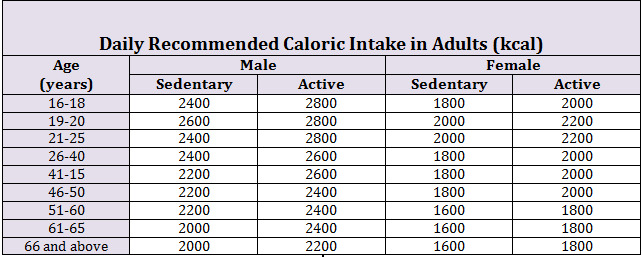
How Age Changes Calorie Needs
As people get older, they need fewer calories. This is because their body moves less. Muscle mass also decreases. So, their calorie needs become lower.
Older adults should eat fewer calories but keep eating healthy foods. This helps them stay strong and active.
Credit: www.ncbi.nlm.nih.gov
Special Notes for Weight Goals
If you want to lose weight, eat fewer calories than you burn. This is called a calorie deficit. You can create this by eating less or moving more.
If you want to gain weight, eat more calories than you burn. Choose healthy foods to gain muscle, not fat.
Summary: What You Need to Know
Calories give your body energy.
Daily calorie needs depend on age, gender, and activity.
Eat the right calories to keep your weight and health.
Use online tools to estimate your calorie needs.
Eat balanced meals with protein, fats, and carbs.
Drink water and stay active daily.
Adjust calories if you want to lose or gain weight.
Understanding daily recommended calories is simple. It helps you make good food choices. Use this guide to find a healthy balance for your body. Remember, every body is different. Listen to your body and eat what feels right.
Frequently Asked Questions
How Many Calories Should I Eat A Day By Age?
Children (2-8 years) need about 1,000-1,400 calories daily. Teens (9-18 years) require 1,600-2,800 calories. Adults (19-60 years) need 1,800-2,600 calories. Seniors (60+ years) should consume 1,600-2,000 calories daily. Activity level also affects these calorie needs.
Is 1200 Calories Daily Healthy?
A 1200-calorie daily intake can be healthy for some, mainly small or less active adults. Consult a healthcare professional before starting.
What Is The 3-3-3 Rule For Weight Loss?
The 3-3-3 rule for weight loss means eating three structured meals, drinking three glasses of water early, and waiting three minutes before extra snacks. This method supports metabolism, controls hunger, and promotes consistent, healthy habits for sustainable weight loss.
How Many Calories Should I Eat A Day To Lose 2lb A Week?
To lose 2 pounds weekly, create a 1,000-calorie daily deficit from your maintenance calories. Use a TDEE calculator to find your maintenance level. Typically, this means eating 1,200-1,800 calories daily, depending on age, gender, and activity. Consult a professional for personalized guidance.


