
Healthy Meal Planning Tips
Healthy Meal Planning Tips: Ultimate Guide to Nutritious Success

Eating healthy food is good for your body and mind. But sometimes, it can feel hard to know what to cook. Planning your meals ahead can help you eat better. It also saves time and money. Here are some easy tips for healthy meal planning.
Why Plan Your Meals?
Planning your meals means deciding what to eat before you buy food. This small step has many benefits:
Balanced Nutrition: You get many vitamins and minerals by choosing a variety of foods.
Less Waste: You buy only what you need, so less food goes bad.
Saves Money: You avoid buying things you do not need.
Easy Meal Prep: You can cook many meals using a few ingredients.
Step 1: Check What You Have
Before you shop, look at your fridge and pantry. What food do you already have? Use these ingredients first. This helps avoid waste and saves money. Write down items you want to use soon.
Step 2: Make a Meal List
Write down meals you want to eat this week. Think about breakfast, lunch, and dinner. Try to include healthy foods like vegetables, fruits, grains, and protein. Here is a simple example:
| Day | Breakfast | Lunch | Dinner |
|---|---|---|---|
| Monday | Oatmeal with banana | Chicken salad with veggies | Rice with stir-fried vegetables |
| Tuesday | Yogurt and berries | Whole wheat sandwich with turkey | Grilled fish with steamed broccoli |
| Wednesday | Scrambled eggs and toast | Vegetable soup and bread | Spaghetti with tomato sauce |
Step 3: Make a Grocery List
Write down all the food you need for your meals. Group items by category to save time in the store:
Vegetables and fruits
Grains (rice, bread, pasta)
Proteins (chicken, fish, beans)
Dairy or dairy alternatives
Other (spices, oils, snacks)
Check for sales or discounts. Swap items if you find better prices or have food at home.
Step 4: Choose Healthy Ingredients
Pick fresh and less processed foods. Here are some tips:
Choose whole grains like brown rice or whole wheat bread.
Eat many colors of vegetables and fruits for vitamins.
Use lean proteins like chicken, fish, or beans.
Limit butter and heavy sauces.
Use healthy oils like olive oil.
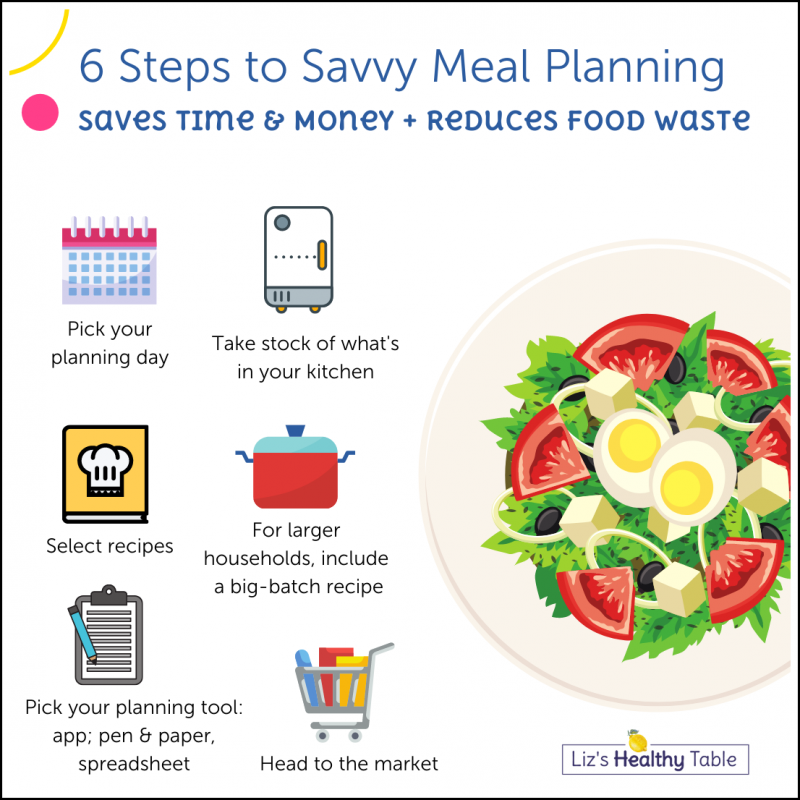
Credit: www.lizshealthytable.com
Step 5: Plan for Leftovers
Think about how to use leftover food. You can save time and reduce waste. For example:
Cook extra chicken for a salad the next day.
Use leftover rice in a stir-fry.
Turn vegetable soup into a sauce for pasta.
Step 6: Be Flexible
Plans can change. That is okay. If you find a good deal on vegetables, swap your plan. If you have less time, choose quick meals. Flexibility helps you keep meal planning easy and fun.
Step 7: Prepare Meals in Advance
Cooking some food ahead saves time. You can:
Chop vegetables and store them in the fridge.
Cook grains or proteins in large amounts.
Pack lunch boxes the night before.
This way, you can quickly make meals during busy days.
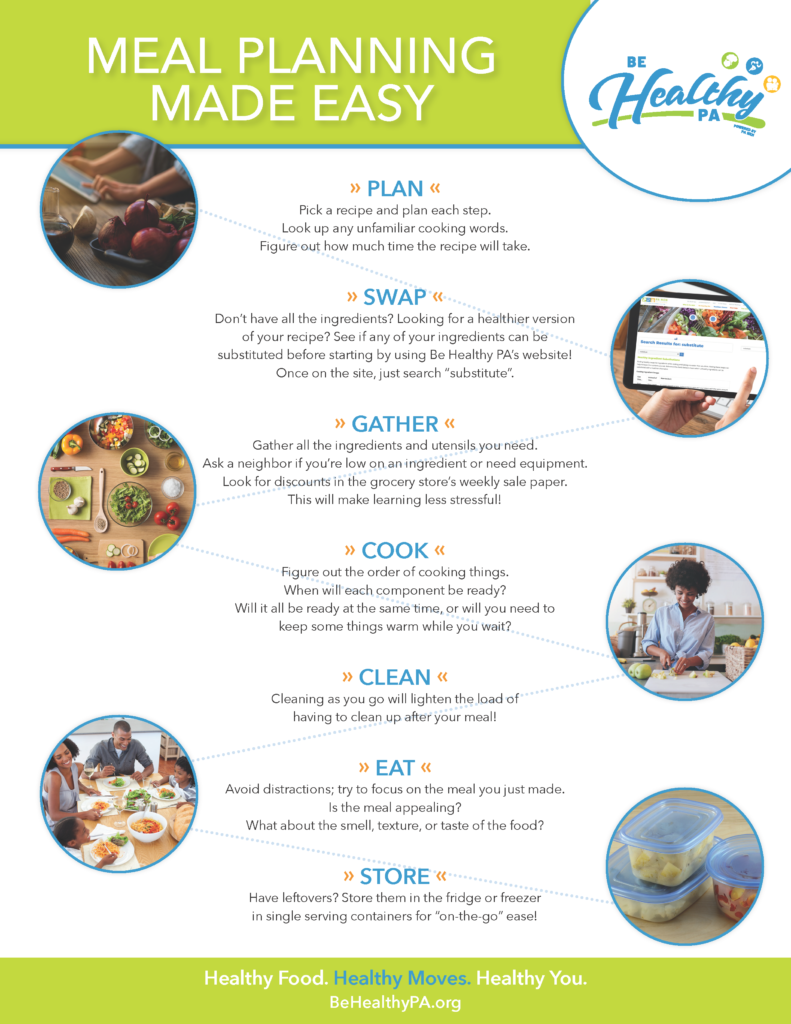
Credit: www.behealthypa.org
Sample Healthy Meal Plan
Here is a simple meal plan to get you started:
| Meal | Food |
|---|---|
| Breakfast | Whole grain cereal with milk and fruit |
| Lunch | Turkey sandwich with lettuce and tomato |
| Dinner | Grilled chicken, brown rice, steamed carrots |
| Snack | Apple slices with peanut butter |
Tips for Shopping as a Single Person
If you live alone, planning meals helps avoid food waste. Buy small packages or fresh produce that lasts. Freeze extra food to keep it longer. Plan simple meals that use few ingredients.
How to Keep Meal Planning Fun
Try new recipes once in a while. Cook with friends or family. Change meals with the seasons. Use spices to add flavor without extra salt or fat. Keep your kitchen clean and organized. This makes cooking easier.
Summary of Healthy Meal Planning Tips
| Tip | Why It Helps |
|---|---|
| Check your food before shopping | Use what you have and save money |
| Make a meal list | Organize your week and eat healthy |
| Write a grocery list | Buy only what you need |
| Pick fresh, healthy ingredients | Get more nutrients in your meals |
| Plan for leftovers | Save time and avoid waste |
| Be flexible | Adjust plans and stay on track |
| Prepare meals in advance | Make cooking quick and easy |
Final Thoughts
Healthy meal planning helps you eat better every day. It saves time and money too. Start small and try one or two tips at a time. Soon, planning meals will feel easy. Your body will thank you.
Frequently Asked Questions
What Is The 3-3-3 Rule For Eating?
The 3-3-3 rule for eating means having three meals, three snacks, and drinking three glasses of water daily. It promotes balanced nutrition and steady energy. This simple guideline helps maintain hunger control and supports healthy eating habits throughout the day.
What Is The 5 4 3 2 1 Rule For Groceries?
The 5 4 3 2 1 rule for groceries guides balanced shopping: 5 fruits, 4 vegetables, 3 proteins, 2 grains, and 1 treat. It ensures variety, nutrition, and meal flexibility while reducing waste and saving money. This method simplifies healthy meal planning and grocery shopping.
What Are The 5 Principles Of Healthy Meal Planning?
The five principles of healthy meal planning are: balance nutrition, reduce waste, save money, simplify meal prep, and customize for dietary needs. Plan meals using versatile ingredients, focus on fresh produce, include lean proteins, and remain flexible with swaps. This approach ensures variety and efficiency.
What Is The 5 2 1 0 Rule?
The 5-2-1-0 rule promotes health by encouraging 5 fruits/vegetables, 2 hours max screen time, 1 hour physical activity, and 0 sugary drinks daily.


.webp)