
How to Increase Fiber Intake?
How to Increase Fiber Intake: Easy Tips for Better Digestion

Are you ready to feel more energized, support your digestion, and improve your overall health? Increasing your fiber intake can make a big difference, and it’s easier than you might think.
Whether you’re struggling with low energy, irregular digestion, or just want to eat healthier, adding more fiber to your meals is a smart move. You’ll discover simple, practical tips to boost your fiber intake every day. From breakfast ideas to snacks and dinner swaps, you’ll learn how to make fiber a natural part of your routine without drastic changes or complicated diets.
Keep reading, and see how small tweaks can lead to big health benefits for your body and mind.
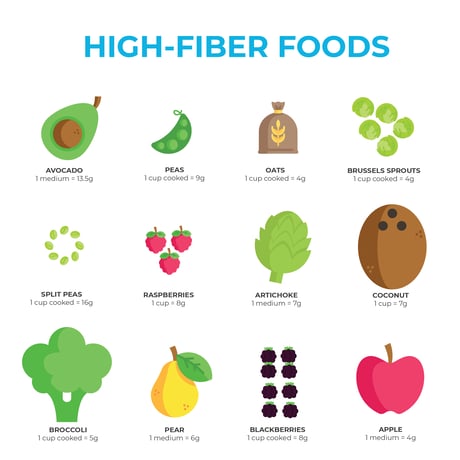
Credit: info.totalwellnesshealth.com
Benefits Of Fiber
Fiber plays a vital role in keeping the body healthy. It helps the digestive system work smoothly and supports overall well-being.
Eating enough fiber can reduce the risk of many health problems. It also helps manage weight and protects the heart.
Digestive Health
Fiber adds bulk to stool, making it easier to pass. This helps prevent constipation and promotes regular bowel movements.
It also feeds good bacteria in the gut, which supports a healthy digestive system. A well-functioning gut improves nutrient absorption and reduces stomach discomfort.
Weight Management
Fiber-rich foods take longer to chew and digest. This helps you feel full for a longer time and reduces hunger.
Eating fiber can lower calorie intake by curbing overeating. It supports steady energy levels and helps maintain a healthy weight.
Heart Health
Fiber helps lower bad cholesterol in the blood. This reduces the risk of heart disease and stroke.
It also helps control blood pressure and inflammation. These effects protect the heart and improve overall cardiovascular health.
High-fiber Foods
High-fiber foods support digestion and keep you full longer. They lower the risk of heart disease and help control blood sugar. Including a variety of fiber-rich foods in your diet improves overall health. Here are key groups of high-fiber foods to include daily.
Fruits And Vegetables
Fruits and vegetables contain both soluble and insoluble fiber. Berries, apples with skin, pears, and oranges are great fruit options. Vegetables like broccoli, carrots, and leafy greens add fiber and essential nutrients. Fresh or lightly cooked veggies retain more fiber. Eating a colorful mix ensures you get diverse fiber types.
Whole Grains
Whole grains keep the bran and germ, which contain fiber. Choose oats, brown rice, quinoa, and whole-wheat bread. Whole-grain cereals and bran muffins also boost fiber intake. Replacing white bread or pasta with whole-grain versions is a simple swap. These grains provide energy and promote healthy digestion.
Legumes
Legumes are among the richest fiber sources available. Beans, lentils, chickpeas, and peas fit well into many meals. They offer both fiber and plant-based protein. Adding legumes to soups, salads, or stews increases fiber without many calories. Try to include legumes several times a week for best results.
Nuts And Seeds
Nuts and seeds provide fiber along with healthy fats. Almonds, walnuts, chia seeds, and flaxseeds work well as snacks or toppings. Sprinkle seeds on yogurt or salads to boost fiber easily. They add crunch and nutrition to your diet. Keep portions moderate since nuts are calorie-dense.
Fiber-rich Breakfast Ideas
Starting your day with fiber-rich foods supports digestion and keeps you full longer. Breakfast offers many simple ways to add more fiber. Choose ingredients that naturally contain fiber. Combine them for tasty and healthy meals. This helps reach your daily fiber goal easily.
Here are some easy and delicious breakfast ideas packed with fiber. These options suit different tastes and take little time to prepare.
Oats And Cereals
Oats are a classic fiber source. Cook plain oats and top with fruits like berries or sliced apples. Add a sprinkle of flaxseeds or chia seeds to increase fiber. Choose whole-grain cereals with at least 3 grams of fiber per serving. Avoid sugary cereals that lack fiber and nutrients.
Whole-grain Toast
Whole-grain bread contains more fiber than white bread. Toast a slice and spread natural peanut butter or avocado on top. Add sliced tomatoes or cucumber for extra fiber and flavor. Look for bread made with whole wheat, oats, or seeds to boost fiber intake.
Smoothies With Fiber Boosters
Smoothies can be a quick fiber boost. Use fruits like berries, pears, or kiwi. Add leafy greens such as spinach or kale for extra fiber. Include a tablespoon of chia seeds, flaxseeds, or oats. Blend with water, milk, or yogurt for a creamy texture.
Lunch And Dinner Swaps
Swapping ingredients at lunch and dinner can boost your fiber intake easily. Small changes make meals healthier and more filling. Focus on fiber-rich foods that fit your daily routine. These swaps work well for busy days and family dinners.
Whole Grains Instead Of Refined
Choose whole grains over refined ones for more fiber. Brown rice, quinoa, and whole-wheat pasta add nutrients and texture. Whole-grain bread replaces white bread in sandwiches and toast. These grains keep you full longer and improve digestion. Cooking with whole grains is simple and tasty.
Adding Beans And Lentils
Beans and lentils are excellent fiber sources for meals. Add black beans to salads or soups for a fiber boost. Lentils cook quickly and blend well with spices. Use chickpeas in stews or as a salad topping. These legumes increase fiber and add protein to dishes.
Vegetable-filled Plates
Fill half your plate with colorful vegetables at lunch and dinner. Broccoli, carrots, and leafy greens provide fiber and vitamins. Roasted or steamed veggies make meals more satisfying. Add extra vegetables to pasta, rice, or grain bowls. This simple swap increases fiber without changing flavors.
Smart Snacking
Smart snacking offers a simple way to boost your daily fiber intake. Choosing snacks rich in fiber keeps you full and supports digestion. Small changes in your snack choices can have big health benefits. Keep snacks handy that are both tasty and fiber-packed. This helps you avoid less healthy options and stay energized throughout the day.
Fruit And Vegetable Snacks
Fresh fruits and vegetables provide fiber and vitamins. Apples, pears, and berries are great picks. Eat them with the skin for more fiber. Carrot sticks, cucumber slices, and cherry tomatoes make crunchy snacks. They are low in calories and high in fiber. Keep cut veggies ready in the fridge for quick grabs.
Nuts And Seeds
Nuts and seeds add fiber and healthy fats to snacks. Almonds, walnuts, and pistachios are tasty and filling. Chia seeds and flaxseeds boost fiber in yogurt or smoothies. A small handful is enough to feel satisfied. These snacks also support heart health and brain function.
Air-popped Popcorn
Air-popped popcorn is a fiber-rich snack with few calories. Avoid adding butter or heavy salt to keep it healthy. Popcorn is a whole grain that helps digestion. It makes a crunchy and fun snack for any time. Carry a small bag for a fiber boost on the go.
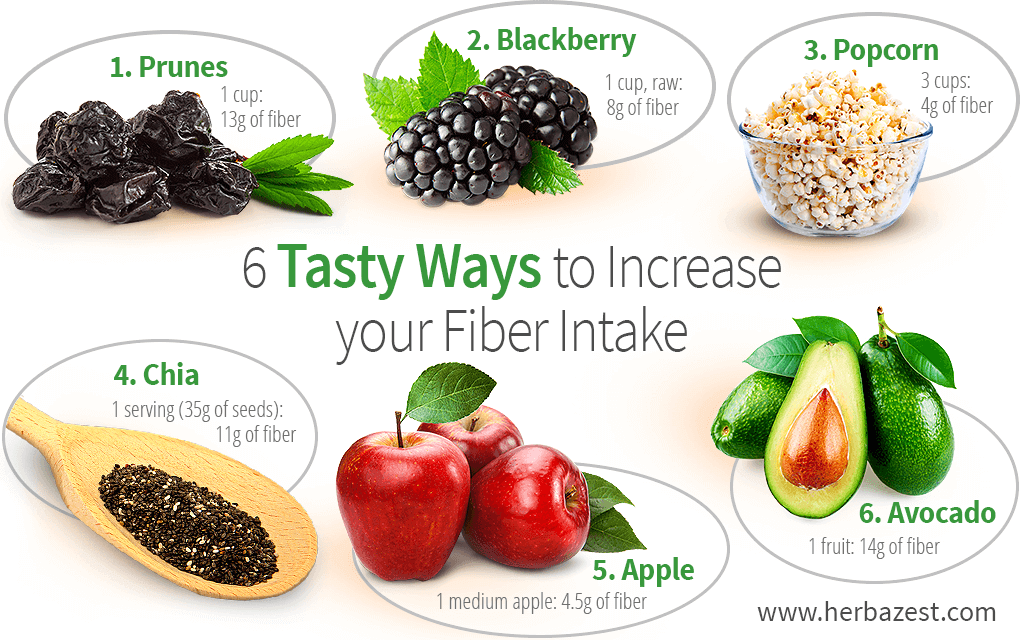
Credit: www.herbazest.com
Simple Fiber Tips
Increasing fiber intake does not need to be complicated. Simple changes in daily habits can make a big difference. These easy tips help boost fiber without much effort. Try these practical steps to add more fiber to your meals and snacks.
Keep Skins On
Many fruits and vegetables have fiber-rich skins. Eating apples, pears, and potatoes with skins adds extra fiber. Avoid peeling unless necessary. The skin contains vitamins and fiber that help digestion.
Check Food Labels
Look for fiber content on packaged foods. Choose items with higher fiber per serving. Whole grain breads, cereals, and snacks often list fiber grams. Aim for at least 3 grams of fiber per serving.
Stay Hydrated
Fiber works best with enough water. Drink plenty of fluids throughout the day. Water helps fiber move through the digestive system. Staying hydrated reduces the chance of constipation.

Credit: www.mdanderson.org
Frequently Asked Questions
What Foods Are Highest In Fiber?
Foods highest in fiber include beans, lentils, whole grains, berries, pears with skin, broccoli, nuts, and seeds like chia.
How Can I Increase My Fiber Intake Quickly?
Increase fiber quickly by adding whole grains, beans, fruits with skin, vegetables, nuts, and seeds to meals. Choose whole-grain bread and swap white rice for brown rice or quinoa. Snack on fiber-rich foods like apples, berries, almonds, or air-popped popcorn.
Drink plenty of water daily.
How Can I Get 25g Of Fiber A Day?
Eat fruits with skin, vegetables, whole grains, legumes, nuts, and seeds daily. Include oats, beans, berries, and whole-wheat bread. Snack on nuts and air-popped popcorn. Drink water and check food labels for fiber content. Aim for balanced meals rich in fiber sources to reach 25g daily.
What Are The Signs Of A Fiber Deficiency?
Signs of fiber deficiency include constipation, bloating, weight gain, high blood sugar, and increased cholesterol levels. Low energy and poor digestion also occur.
Conclusion
Increasing fiber intake improves digestion and supports heart health. Choose whole foods like fruits, vegetables, beans, and whole grains daily. Small changes, like switching to whole-grain bread or adding beans to meals, make a big difference. Keep snacks simple with fruits or veggie sticks for extra fiber.
Drink plenty of water to help fiber work well in your body. Gradually adding fiber prevents discomfort and keeps you feeling good. Healthy habits build over time, so start adding fiber today for lasting benefits.


.webp)